How to Choose a Dissolved Oxygen Sensor to Elevate Wastewater Treatment and Aquaculture
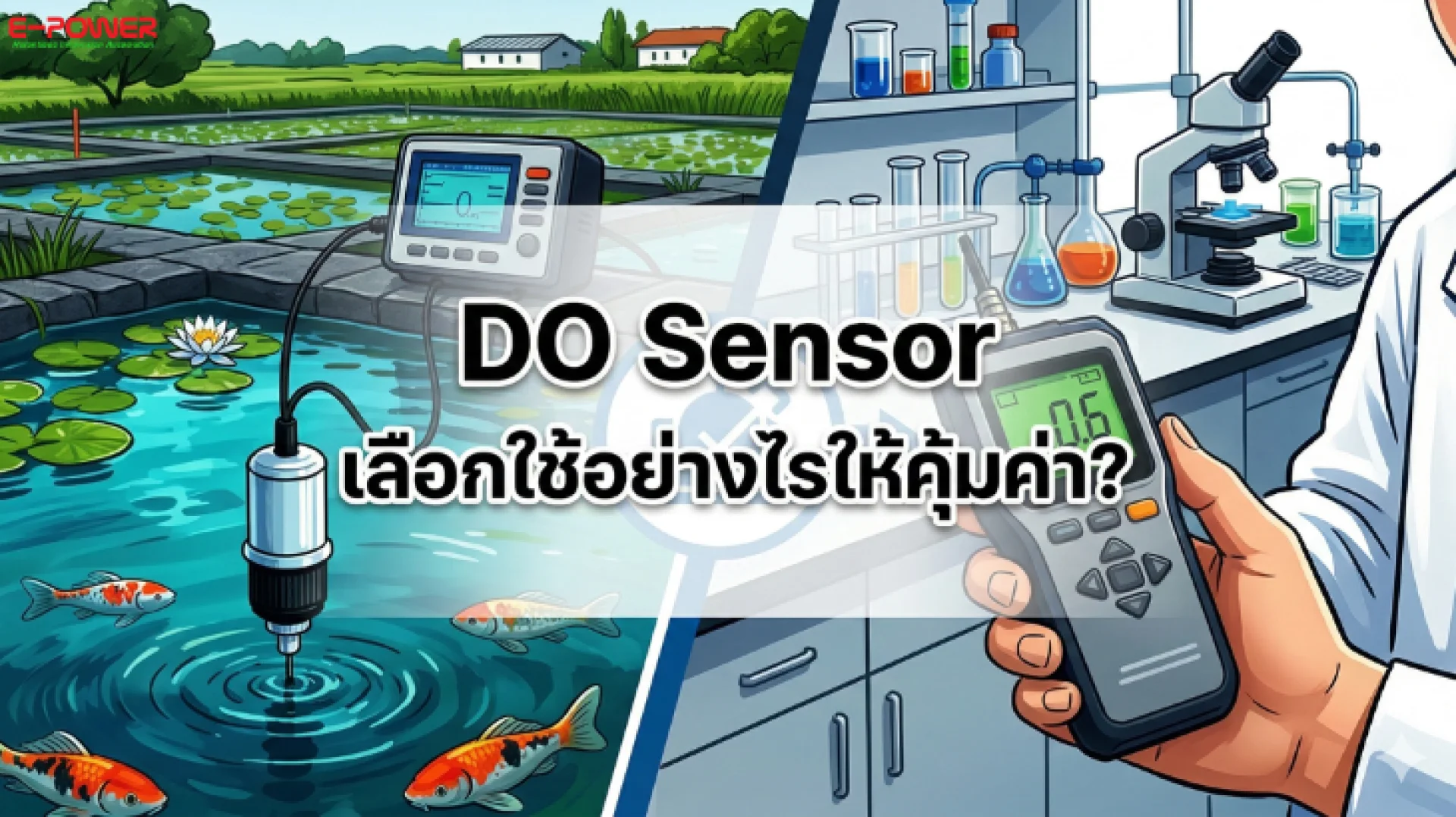
Whether you are a Smart Farm owner raising shrimp and fish, or an engineer overseeing a wastewater treatment system in an industrial plant, purchasing a dissolved oxygen sensor is not just about buying a measuring tool. It is about buying peace of mind—preventing mass aquatic life deaths or substandard wastewater treatment that could lead to heavy fines.
With so many water quality sensors on the market, how do we know which one is the "right" choice? Investing in overly high specifications wastes your budget, while buying cheap, substandard ones can lead to premature failure and inaccurate readings. Today, we share 3 key techniques for choosing a DO Sensor that is cost-effective and built to last.
1.Match Precision to Your Operational Needs
Each DO sensor offers a different level of accuracy. Investing in unnecessary precision or cutting corners to save money are both a waste of resources. The key is to align the sensor's performance with the exact requirements of your process.
- Aquaculture Needs: Freshwater or marine aquaculture requires consistent readings to maintain optimal oxygen levels for the health of the aquatic life. Even slight deviations can cause stress or reduce growth rates.
- Wastewater Treatment Needs: Municipal or industrial wastewater plants rely on DO data to optimize their aeration processes. Precision directly impacts energy savings and compliance with discharge standards.
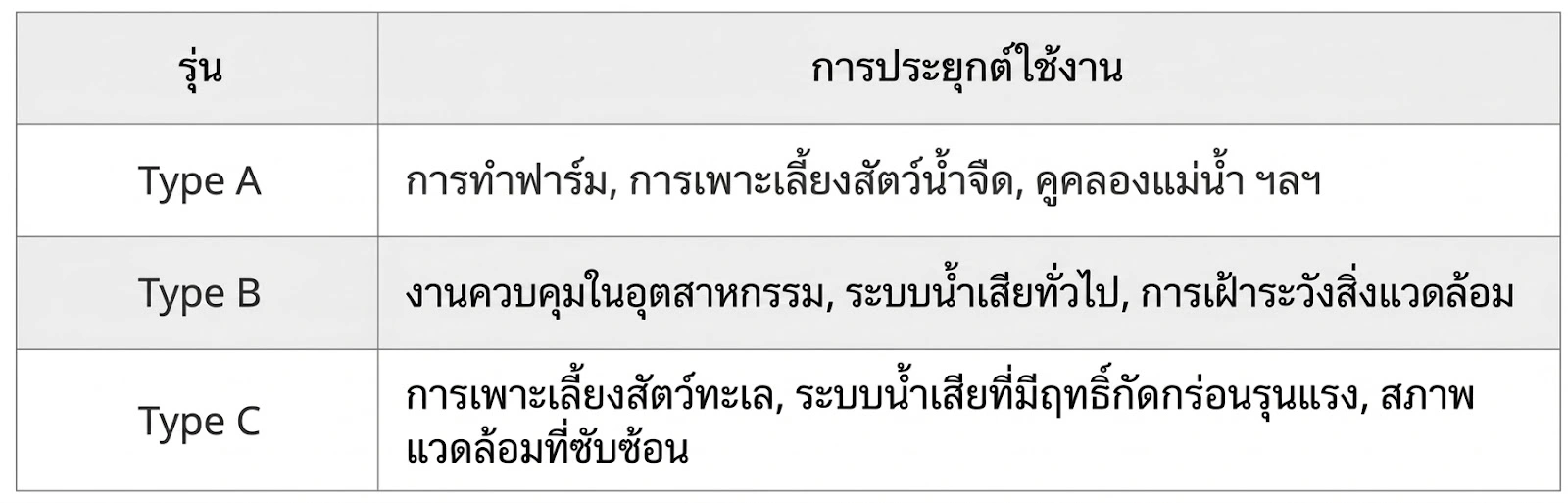
The RIKA SENSOR RK500-04 series meets these needs with 3 performance tiers based on fluorescence quenching technology:
- Type A: Ideal for freshwater aquaculture, rivers, or basic environmental monitoring. It provides a DO accuracy of ±0.3 mg/L, a T90 response time of <100 seconds, and an annual drift of <0.3 mg/L. Perfect for operations with budget constraints and uncomplicated water conditions.
- Type B: Suitable for industrial control, general wastewater, or high-density aquaculture. It offers higher precision (±0.2 mg/L DO), a faster response (T90 <40 seconds), and lower annual drift (<0.2 mg/L) to support critical process control.
- Type C: Designed for marine aquaculture or highly corrosive wastewater. It matches Type B's performance (±0.2 mg/L DO, T90 <40 seconds) but incorporates corrosion-resistant materials for long-term reliability, even in harsh brine or chemical-rich environments.
Note: All RK500-04 models feature simultaneous temperature measurement (±0.5℃ accuracy) with thermal resistance compensation. This eliminates the need for a separate temperature sensor and guarantees stable readings under changing conditions.
2. Choose Corrosion Resistance Tailored to Your Water
Freshwater, saltwater, and industrial wastewater each pose different corrosion risks. Using a sensor with incompatible materials leads to premature deterioration and unplanned replacements.
RIKA SENSOR RK500-04 solves by offering tiered material options suited for specific environments:
- Type A: Combines a 316L stainless steel fluorescent cap with an ABS housing. It is cost-effective and durable for non-corrosive or mildly corrosive water.
- Type B: Features full 316L stainless steel construction. It is highly resistant to chemical exposure in standard wastewater treatment processes.
- Type C: Utilizes a titanium alloy fluorescent cap—offering excellent resistance to saltwater and harsh chemicals—paired with a gray nylon-fiber housing. It is built to withstand brine, acidic/alkaline wastewater, or complex industrial effluents.
(To make your decision easier, the RK500-04 series allows you to pair these 3 models directly with your specific aquaculture or wastewater application.)
3. Ensure Easy Installation and Instant IoT Connectivity
The era of difficult-to-install sensors and complicated signal conversions is over. A great DO Sensor must be IoT-ready. The RIKA RK500-04 sensor is specifically designed to meet the needs of engineers and system integrators:
- IP68 Standard: Fully submersible in deep water, or easily threaded onto pipes (NPT3/4).
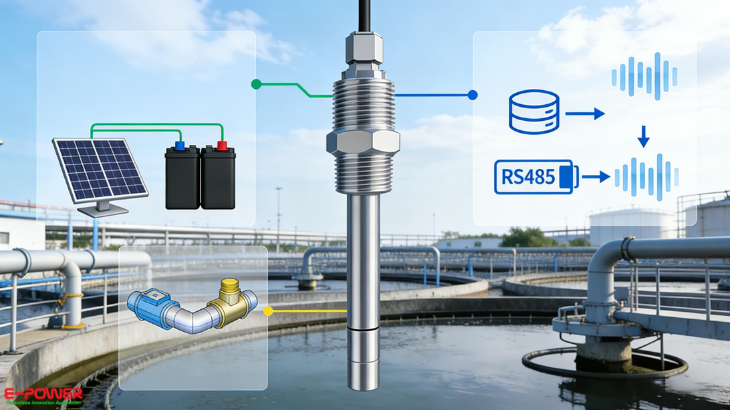
- Dual Signal in One: Supports both RS485 (Modbus RTU) and 4-20mA signals. You can wire it directly to a PLC, HMI, or send data to a Cloud Dashboard without buying extra converters.
- Ultra-low Power Consumption (<0.2W): Perfect for solar-powered farms or remote shrimp ponds.
Why the RIKA SENSOR RK500-04 Stands Out
Beyond the core criteria, the RK500-04 features practical designs that directly solve pain points for technical teams and procurement heads:
- Low Power: Drawing less than 0.2W makes it suitable for solar-powered systems or remote sites commonly found in aquaculture.
- Dual Output: Simultaneously supporting RS485 and 4-20mA allows seamless integration with existing SCADA systems or Data loggers without extra equipment.
- High Pressure Tolerance: Rated up to 0.8Mpa, it is compatible with deep tanks or highly pressurized pipes in wastewater plants.
Investing in the right water quality sensor from the start protects your profits and reduces long-term maintenance burdens. If you are looking for a DO Sensor or want to set up a comprehensive mobile water quality monitoring system, we have the solution.