10 Water Quality Sensors for Water Treatment Systems
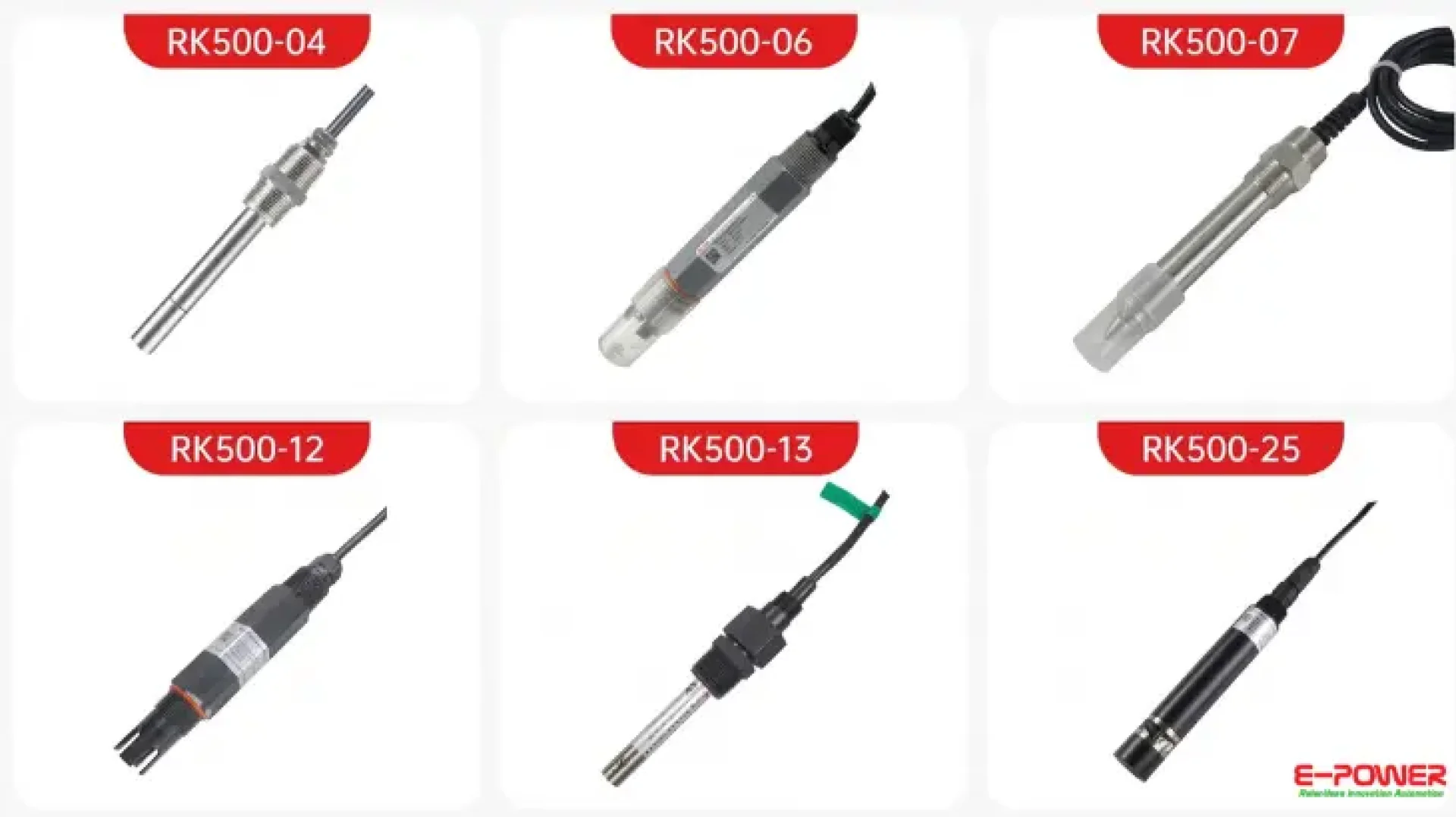
Water quality sensors are crucial innovations that elevate water management standards. "Water" is not just a basic necessity for life, but also a core component in industrial manufacturing processes. In the Smart Industry era, water quality monitoring has transitioned from random laboratory sampling to the use of high-precision water quality sensors for real-time analysis. This allows engineers to control water treatment systems with maximum efficiency and cost-effectiveness.
1. pH Sensor
The most fundamental device for measuring the concentration of hydrogen ions to determine if the water is acidic or alkaline, converting the reading into an electrical signal.
- Applications: Industrial wastewater treatment systems, aquaculture, and domestic water systems.
- Importance: Improper pH levels affect metal solubility and microbial activity. Discharging wastewater with abnormal pH levels into nature can severely damage ecosystems.
2. Conductivity Sensor
Used to measure the water's ability to conduct electricity, which reflects the amount of dissolved solids (TDS) or contaminating salts.
- Applications: Drinking water production systems and industrial processes requiring high-purity water.
- Importance: Excessively high conductivity indicates contamination, which can affect the taste of water or cause scale buildup in factory machinery.
3. Residual Chlorine Sensor
Monitors the amount of chlorine remaining after the disinfection process to ensure the water is sufficiently clean and safe.
- Applications: Water treatment plants, swimming pools, and cooling systems (Cooling Towers).
- Importance: Helps maintain a balance between "effective disinfection" and "safe chemical levels" for consumers.
4. Turbidity Sensor
Measures the clarity or cloudiness of water caused by suspended particles using the principle of light scattering.
- Applications: Drinking water filtration systems and natural water body monitoring.
- Importance: High turbidity is often a breeding ground for pathogens and microorganisms. Controlling turbidity is a critical standard for clean water.
5. Dissolved Oxygen Sensor (DO)
Measures the amount of oxygen dissolved in water, which is essential for aquatic life.
- Applications: Aquaculture ponds and aeration wastewater treatment systems.
- Importance: If DO levels are too low, it leads to water stagnation and the death of aquatic animals. A DO sensor helps save energy by accurately controlling aeration equipment.
6. ORP Sensor (Oxidation-Reduction Potential)
ORP indicates the water's ability to break down contaminants or disinfect.
- Applications: Chlorine or ozone disinfection systems and water pollution monitoring.
- Importance: A high ORP value indicates that the water has a strong ability to eliminate contaminants, verifying the effectiveness of disinfectants.
7. COD Sensor (Chemical Oxygen Demand)
Evaluates the amount of oxygen required to chemically break down organic matter to measure pollution levels.
- Applications: Industrial effluent monitoring.
- Importance: It is a key legal indicator. If COD levels exceed standards, a factory could face orders to halt water discharge.
8. Ammonia Nitrogen Sensor
Measures the concentration of ammonia, which results from the decomposition of organic matter or industrial waste.
- Applications: Shrimp/fish farms and nitrogen removal processes in wastewater treatment plants.
- Importance: Ammonia is highly toxic to aquatic life. Prompt detection helps minimize losses in the aquaculture industry.
9. Chlorophyll Sensor
Used to measure the amount of phytoplankton and algae in the water.
- Applications: Raw water source monitoring and aquatic ecosystems.
- Importance: Serves as an early warning system before an algal bloom occurs, which can lead to severe water deterioration.
10. Blue-Green Algae Sensor
Specifically detects cyanobacteria that can produce harmful toxins.
- Applications: Drinking water reservoirs and recreational water bodies.
- Importance: Helps protect consumer health from invisible toxic algae contamination.
Criteria for Choosing Cost-Effective and Accurate Water Quality Sensors
If you are looking for sensors to install in a water treatment system, don't forget to consider these factors:
- Accuracy: Must have a low margin of error to provide reliable data.
- Durability: The device and probe must withstand chemicals, pressure, and actual field temperatures.
- Response Time: Must provide quick readings for real-time control.
- Calibration: Choose sensors that are easy to calibrate and not overly complex, helping reduce operation costs.
- Compatibility: Should support standard signals (e.g., 4-20mA, Modbus) for instant connection with PLC or SCADA systems.