Smart Agriculture: Transforming Modern Farming with Digital Innovation
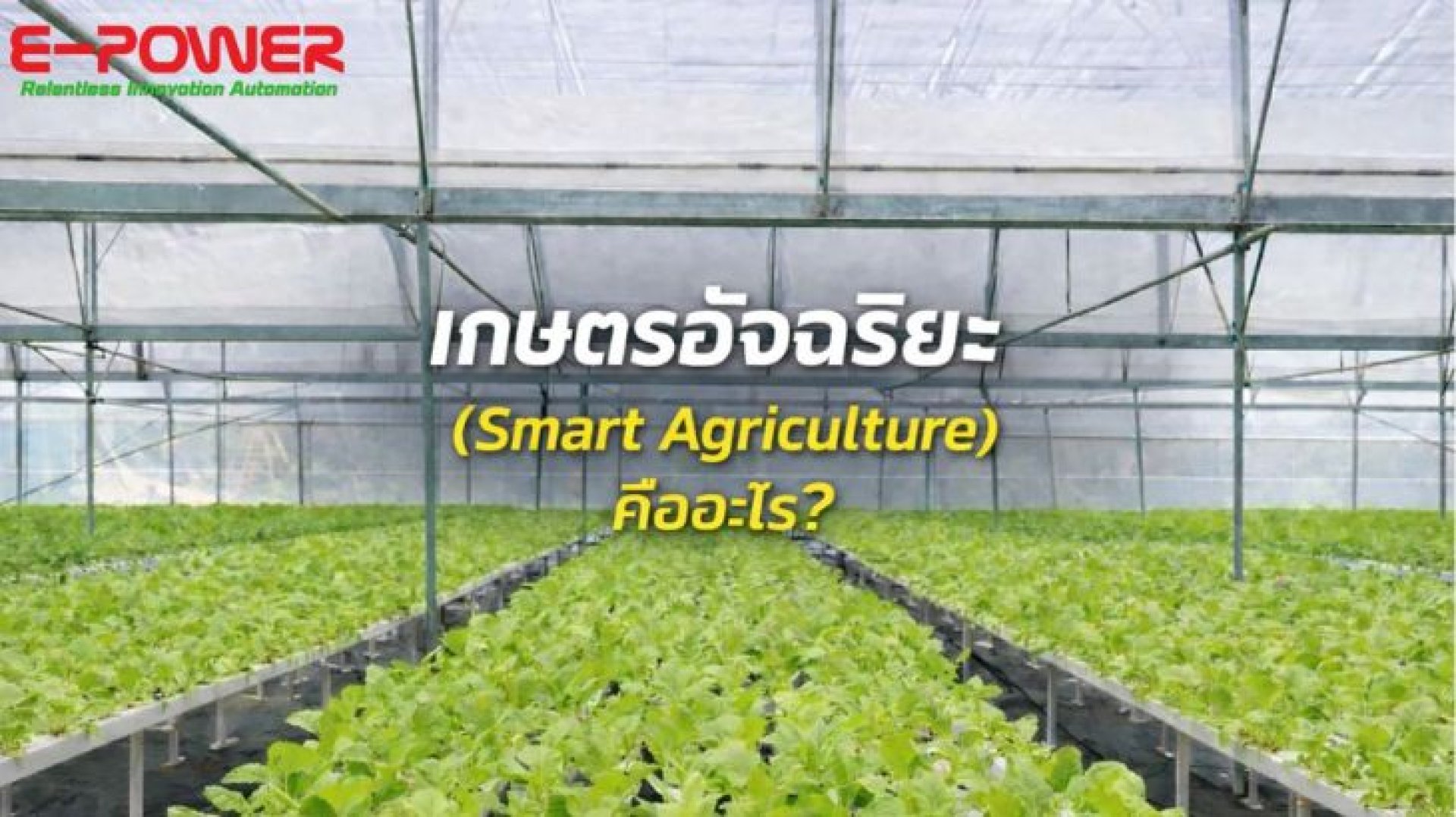
What Is a Smart Agriculture System?
Smart Agriculture is revolutionizing the farming industry by integrating digital innovations to eliminate traditional limitations. Instead of relying on unpredictable weather conditions or guesswork, farmers can now adopt a data-driven farm management approach to maximize productivity at every stage of production.
Modern smart farms are powered by connected sensors, automated control systems, and cloud-based data management platforms such as Haiwell Cloud. This powerful ecosystem makes farming easier, more efficient, and highly precise through three core advantages:
1. Real-Time Monitoring & Visualization
Smart Agriculture enables farmers to monitor environmental conditions in real time — including air temperature, soil moisture, humidity, and light intensity.
With Haiwell Cloud SCADA, field sensor data (such as from Rika Sensors devices) is transmitted through a gateway directly to the cloud. Farmers can access live farm status through intuitive dashboards on smartphones, tablets, or computers anytime, anywhere.
This real-time visibility allows for:
- Immediate detection of abnormalities
- Faster response to environmental changes
- Reduced crop risk
2. Smart Control & Resource Optimization
Traditional irrigation and fertilization methods often waste water, energy, and labor. Smart Agriculture replaces these practices with precision automation based on actual plant needs.
By integrating PLCs and Remote I/O systems into the SCADA platform, farmers can configure intelligent logic such as:
- Automatically activating irrigation when soil moisture drops below a defined threshold
- Turning on greenhouse ventilation when temperature exceeds optimal levels
This level of precise control significantly reduces:
- Water consumption
- Electricity costs
- Labor expenses
Resulting in higher efficiency and improved farm profitability.
3. Data Analytics for Sustainable Farming
Beyond real-time control, the true power of Smart Agriculture lies in data analytics.
Historical data stored on Haiwell Cloud allows farmers to analyze long-term performance and optimize future production cycles.
Key capabilities include:
- Data Logging – Recording historical farm data for yield comparison
- Trend Analysis – Identifying relationships between weather patterns and crop output
- Reporting – Generating resource usage reports for better seasonal planning
With actionable insights from structured data, farmers can improve crop consistency, reduce waste, and move toward sustainable agriculture practices.
The Future of Farming is Data-Driven
Smart Agriculture is not just about automation — it is about transforming farming into a precision, intelligent, and sustainable system powered by real-time monitoring, smart control, and advanced analytics.
For Thai farmers and agribusinesses, adopting digital farming technology is no longer optional — it is the key to increasing productivity, reducing operational costs, and ensuring long-term growth in a competitive agricultural market.
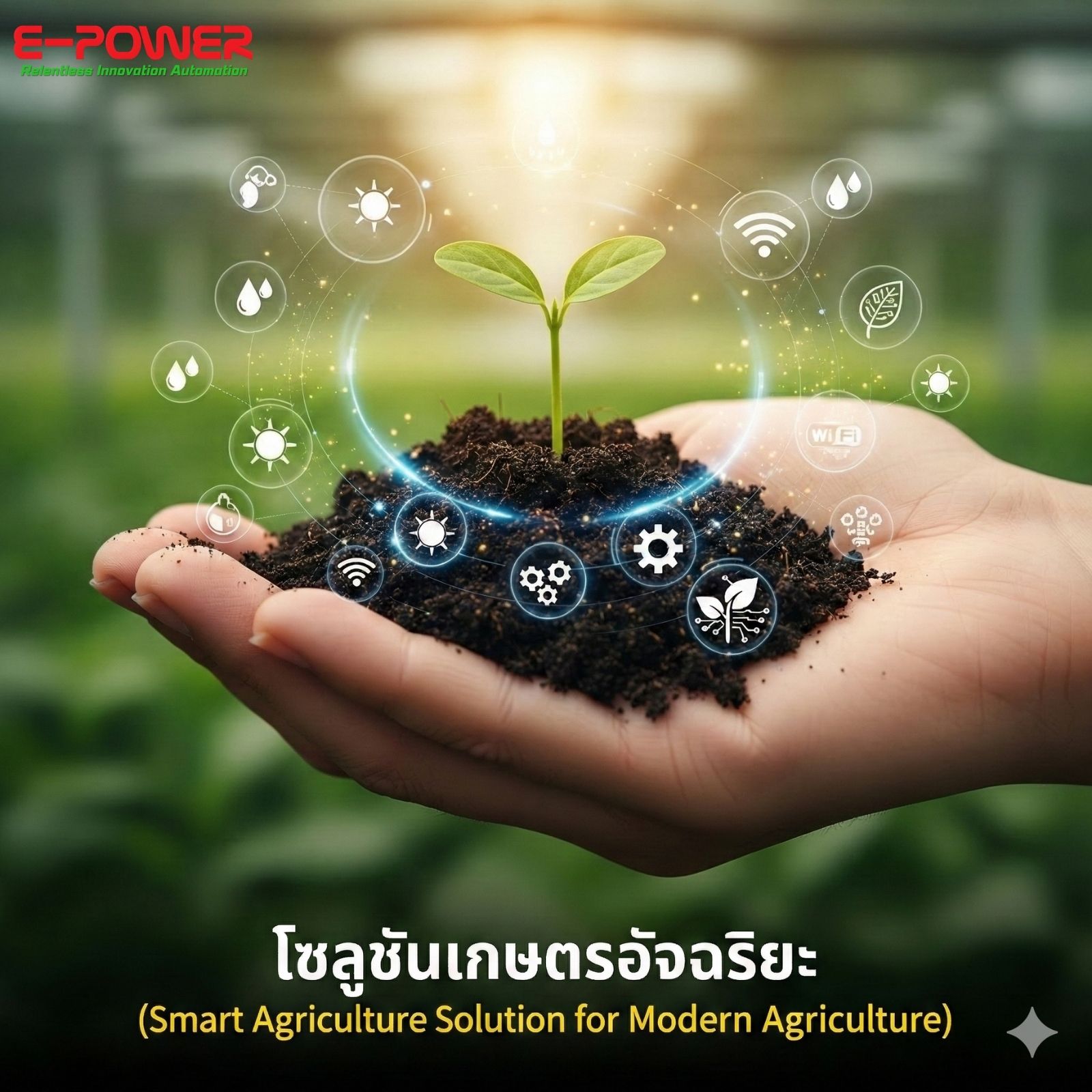
Smart Agriculture Solutions Powered by Haiwell Cloud SCADA
With increasingly unpredictable climate conditions, traditional farming methods may no longer be sufficient. A Smart Agriculture Solution represents the answer to modern farming—shifting from reliance on uncertain weather patterns to data-driven management for optimal results.
Environmental Monitoring Services and Smart Greenhouse Control Systems
The core of smart agriculture lies in maintaining optimal environmental conditions for crop growth 24/7 through fully integrated systems working seamlessly together.
Environmental Monitoring System
This system tracks every critical factor affecting crops, including:
- Air temperature
- Relative humidity
- Soil temperature
- Wind speed
- Light intensity
- Facility Control System
When the monitoring system detects unfavorable conditions, it automatically activates relevant equipment to maintain the optimal status for crops at all times.
The Importance of Real-Time Climate Monitoring
Each crop variety has significantly different tolerance levels and responses to environmental factors such as air temperature, relative humidity, soil temperature, wind speed, and light intensity. Therefore, providing farmers and agricultural operators with accurate, detailed, and real-time environmental data within cultivation areas is a fundamental mechanism essential for effective production management.
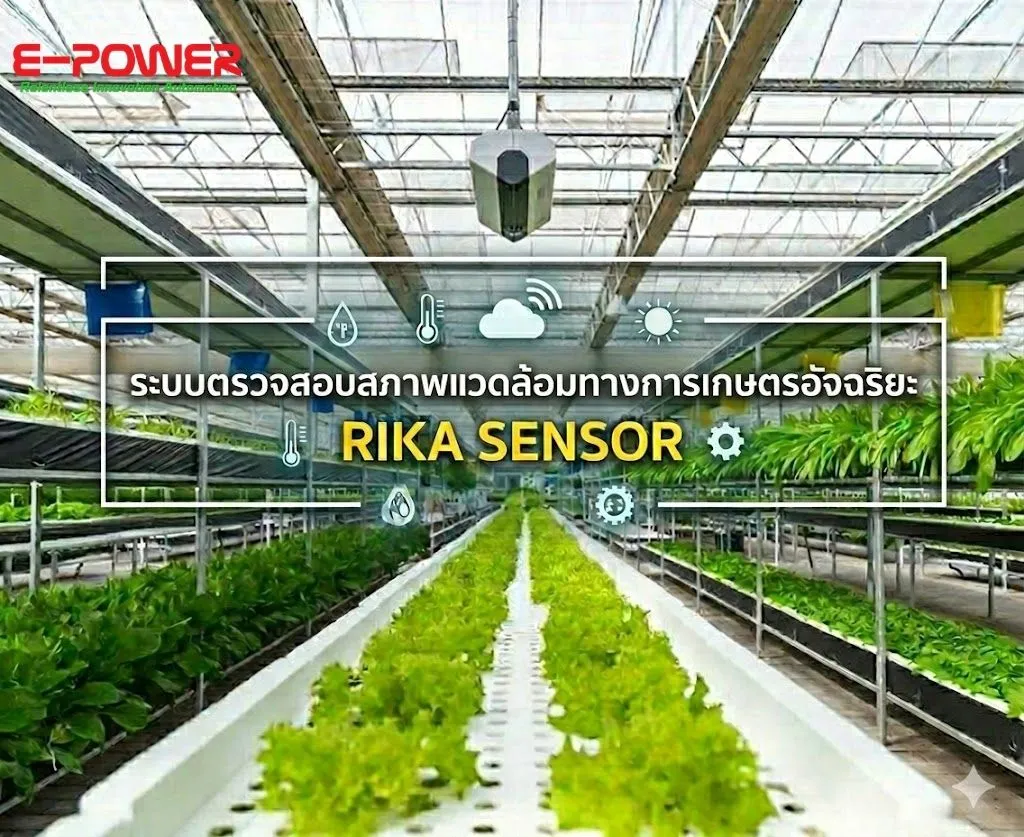
RIKA SENSOR Smart Agricultural Environmental Monitoring System
- Intelligent Sensing Technology
- Internet
- Cloud Computing
- Internet of Things (IoT)
- Intelligent Sensing Technology
- Internet
- Cloud Computing
- Internet of Things (IoT)
