What is an Automatic Weather Station (AWS)?
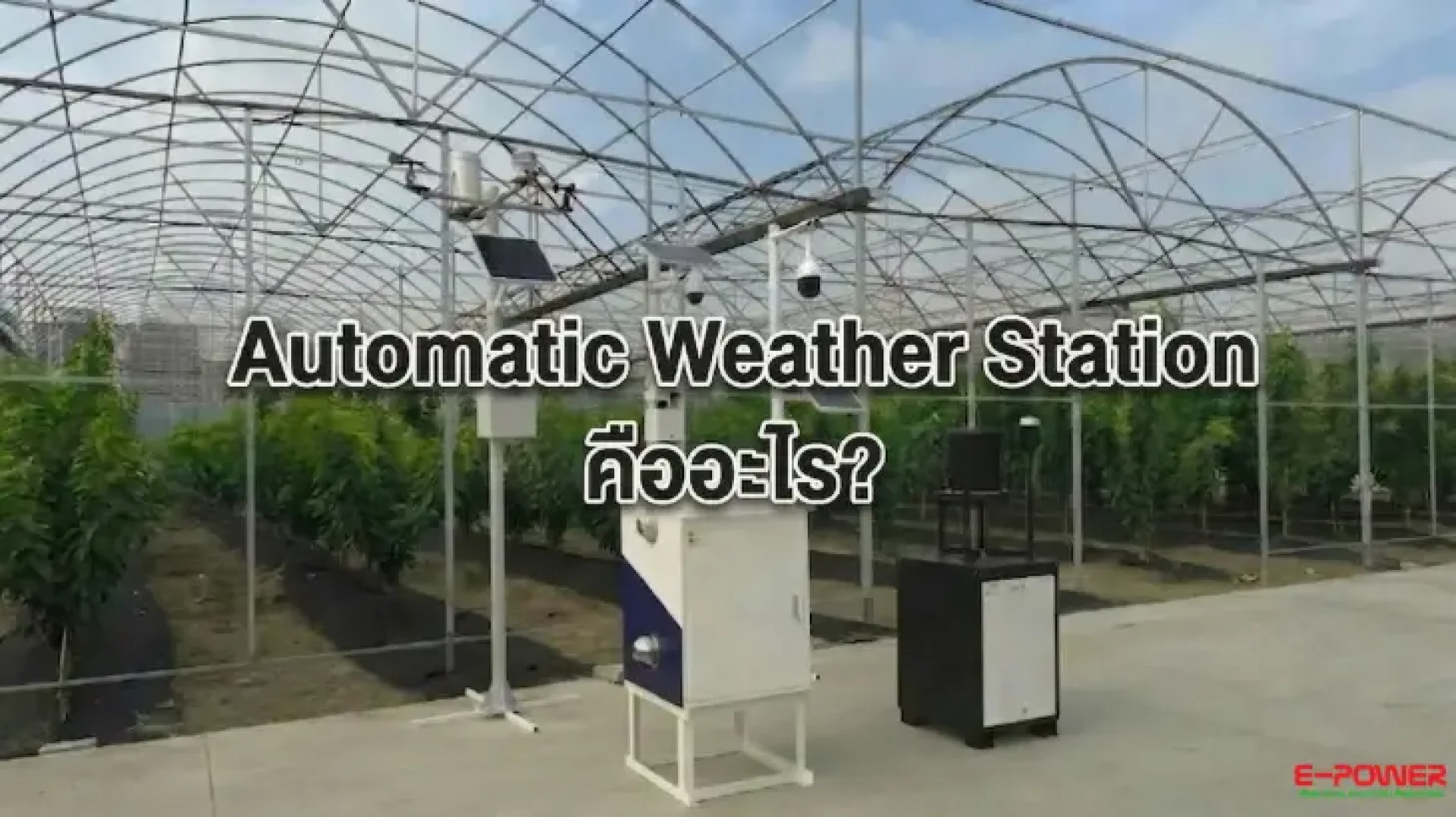
An Automatic Weather Station (AWS) is an essential industrial measurement tool that modern engineers and business owners simply cannot do without. Unpredictable weather directly impacts production efficiency in both the industrial sector and Smart Farming—especially in greenhouse systems that require the highest level of precise environmental control.
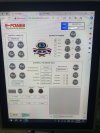
What exactly are the components of this smart Automatic Weather Station, and what are its advantages? This article from e-power will dive deep into how these weather measurement instruments work and guide you on how to apply them to maximize your business operations. This is especially true when integrating them with other industrial sensors, such as water quality sensors in treatment ponds, to transmit all data directly into the Haiwell Cloud SCADA system. This allows you to monitor and control on-site operations via your mobile phone or computer in real-time, 24 hours a day.
What is an Automatic Weather Station?
An Automatic Weather Station is a comprehensive sensor system designed to collect, record, and transmit meteorological data 100% automatically, eliminating the need for manual data logging. It can operate as a standalone unit or connect to a large-scale IoT network for real-time weather monitoring and analysis.
5 Key Components of an Automatic Weather Station
To ensure accurate and stable data collection, most automatic weather stations consist of five main interconnected components:
1. Weather Sensors
These are the core of data reception. A complete station is equipped with various industrial sensors for comprehensive monitoring, such as:
- Wind Speed and Direction Sensors: Available in both cup and ultrasonic types.
- Temperature and Humidity Sensors: Usually installed in a louvered box (radiation shield) to obtain the most accurate readings by preventing direct sunlight interference. Ideal for greenhouse environmental control.
- Solar Radiation Sensors: Measure the amount of light plants use for photosynthesis.
- Rain Gauges: The tipping bucket type is commonly used.
- Other Sensors: Such as atmospheric pressure sensors, snow depth sensors, or water level and water quality sensors.
2. Data Collector / Data Logger
Acting as the brain of the system, it collects and processes data from all sensors. Its standout feature is the ability to send data to the Cloud or a SCADA Platform, allowing users to monitor weather data instantly via mobile phones and computers. Additionally, it can trigger alarm notifications via SMS or applications when parameters exceed standard thresholds.
3. Power System
To keep the weather station running 24/7, it generally supports both utility power and Solar Panels. This enables restriction-free installation in remote areas or right in the middle of agricultural fields.
4. Communication System
Responsible for transmitting data from the Data Logger to a central platform. It supports various connections depending on the distance, such as RS485 (wired), LoRa, 4G/GPRS, or WiFi (wireless).
5. Mounting Accessories
Poles, crossarms, waterproof enclosures, and lightning protection systems made from stainless steel designed to withstand harsh external environments. These protect the sensors and ensure a long operational lifespan.
Advantages of Installing an Automatic Weather Station
- Automated Monitoring: Reduces human error and provides a continuous stream of data.
- High Accuracy: Utilizes standardized industrial sensors along with IoT systems for reliable data transmission.
- Remote Monitoring: View real-time weather conditions from absolutely anywhere.
- Data Sharing & Integration: Data can be seamlessly analyzed alongside Smart Farm systems or other automated control systems.
Applications of Automatic Weather Stations
This technology is not limited to meteorological departments; it is widely applied across multiple sectors:
- Agriculture & Smart Farms: One of the most popular applications. An agricultural weather station helps farm owners monitor temperature, humidity, and light levels to control automated greenhouse irrigation systems, or track the weather while accurately checking water quality in aquaculture ponds.
- Traffic Safety: Provides alerts for low visibility, dense fog, or strong wind gusts to prevent aviation and maritime accidents.
- Environmental Monitoring: Helps analyze wind direction to forecast the dispersion of air pollutants (like PM2.5) or track climate change.
- Urban Planning & Industry: Uses data to plan green spaces or safely schedule outdoor work at construction sites and factories.
Elevate Your Project with a Comprehensive Automatic Weather Station
Whether you are looking for solutions for a Smart Farm, an environmental monitoring system, or an IoT platform that requires highly accurate and durable measuring instruments and sensors, E-Power is here to help. Consult with our team of expert engineers today to design a system perfectly tailored to your business needs.
Contact Us:
Website: www.epower.co.th
LINE Official: @epower
Email: info@epower.co.th