pH Sensors vs. pH Meters : Which Is Right for Your Needs?
When evaluating water quality monitoring equipment (Water Quality Sensors), entrepreneurs and engineers often encounter two primary devices for measuring acidity and alkalinity: the pH Sensor and the pH Meter. While both serve the same fundamental purpose, they differ significantly in terms of engineering, system architecture, and operational application.
In practice, these terms are often used interchangeably. However, one is a "Probe" that functions by transmitting electrical signals, while the other is a "Complete Instrument" that operates as a standalone unit. Whether your organization is designing a wastewater treatment plant, an industrial automation line, or a laboratory, selecting the correct device directly impacts operational efficiency and budget control. This article provides an in-depth comparison to assist in your decision-making process.
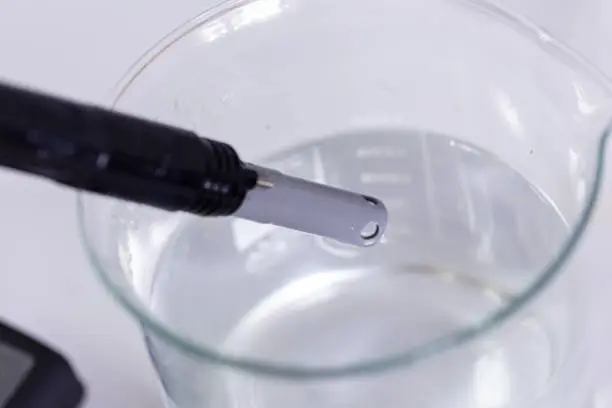
Operational Differences: pH Sensor vs. pH Meter
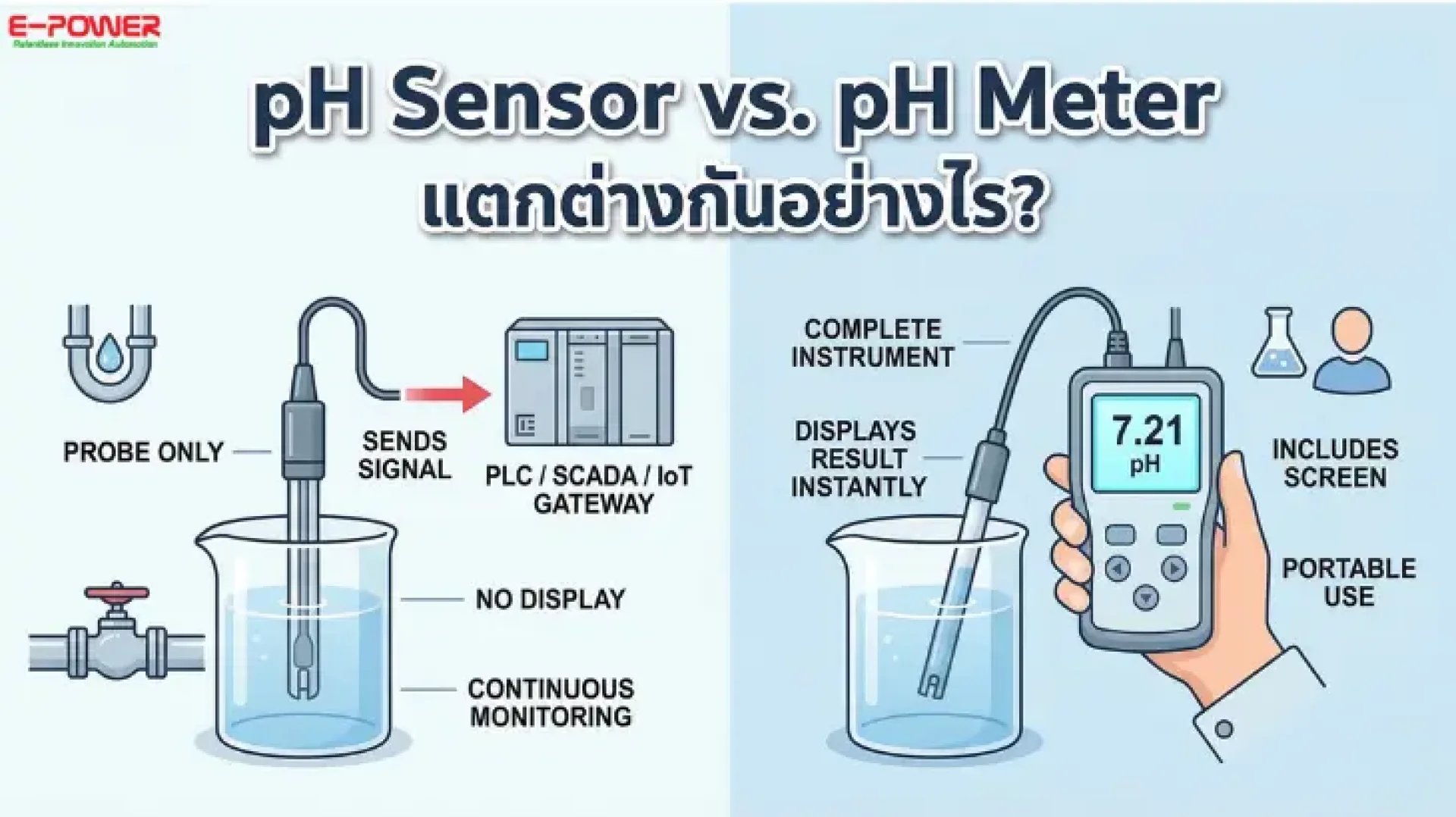
- pH Sensor (The Probe): A device that comes into direct contact with chemicals or water samples. It reacts with hydrogen ions and converts the reaction into an electrical signal (such as millivolts, 4-20mA, or RS485). This device has no display or buttons; its sole function is to "sense and detect" before transmitting data to a central control system like a PLC, SCADA, or IoT Gateway.
- pH Meter (The Instrument): A comprehensive, standalone measuring tool. It includes a sensor probe, signal processing electronics, and a built-in display. Usually designed as portable (handheld) or benchtop units, they allow users to read values instantly at the point of measurement.
Analogy: A Sensor is like a "sensory nerve" that detects and sends electrical pulses to the brain, while a Meter is like the "brain and mouth" together—processing the information and announcing the result immediately.
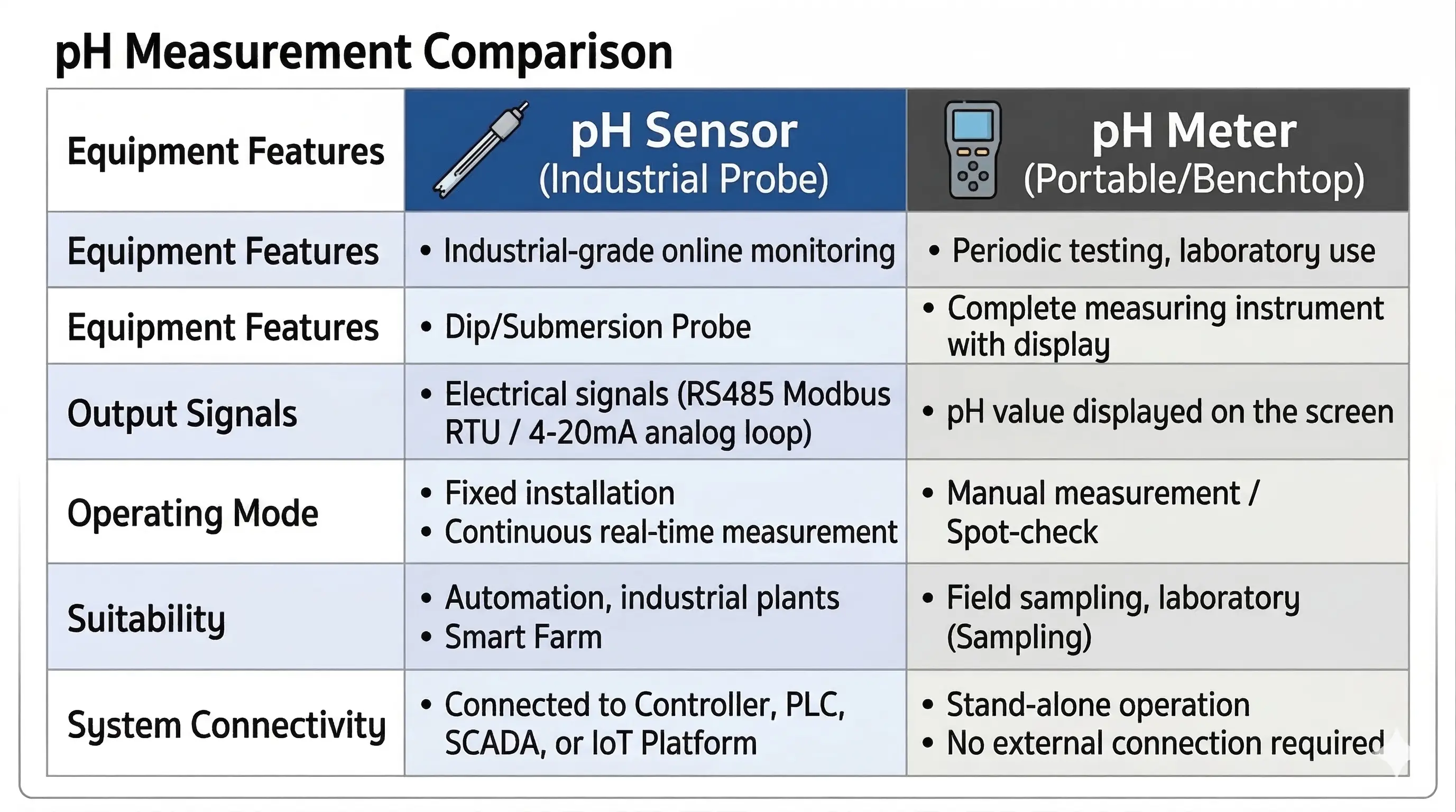
Comparative Technical Features
Case Study: When to Use a pH Sensor
Systems requiring Continuous Monitoring benefit most from a pH Sensor. For example, in Wastewater Treatment, engineers can install the sensor within a reaction tank or pipeline and connect it to a Controller. This allows the system to analyze data and automatically trigger chemical dosing pumps with high stability.
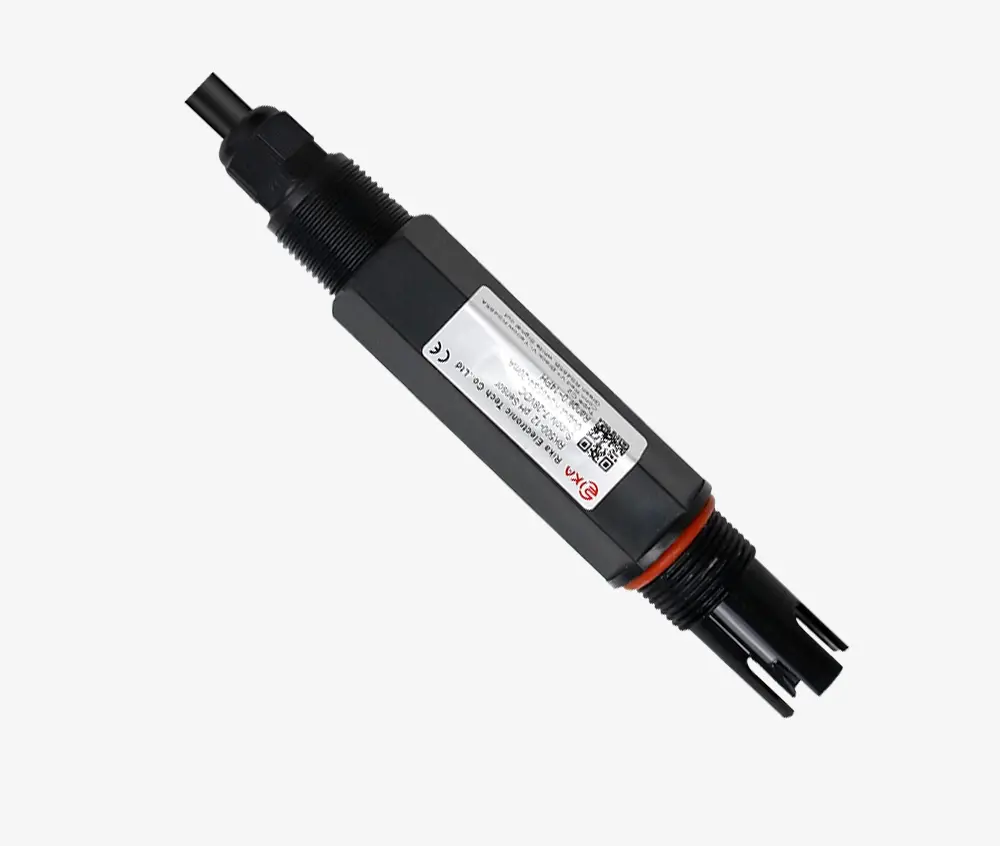
Furthermore, in Smart Farms, commercial Aquaculture, industrial chemical control, and Cooling Towers, real-time pH data is vital. Using a handheld meter in these environments can lead to delays and human error. Selecting an industrial-grade pH sensor (such as the Rika brand), which emphasizes environmental durability, is the most efficient choice.
Case Study: When to Use a pH Meter
A pH Meter is ideal for tasks requiring occasional testing rather than continuous raw data. In laboratories, research facilities, chemical formulation, or small-scale hobbyist farms, users can simply dip the probe, read the value, and store the device without the need for complex wiring or installation. Suitable applications include:
- Researchers testing multiple chemical samples in sequence.
- Quality Control (QC) teams in food factories performing spot-checks.
- Field officers collecting resource samples from natural water sources.
Guidelines for Selecting Water Quality Monitoring Equipment
- Wastewater Treatment: For systems with 24-hour water flow, Industrial pH Sensors are mandatory.
- Smart Farm & Aquaculture: Small setups may use a Meter, but commercial operations should use a pH Sensor integrated with the E-power IoT Platform for remote monitoring and automated pump control.
- Chemical Production: Use a Meter for batch testing, but use a pH Sensor for real-time ratio control inside reaction tanks.
- Laboratories: The Meter is the global standard for convenience and easy calibration.
- Field Sampling: A portable Meter is the winner due to its mobility.
Calibration: Engineering Considerations
Both devices require standard Buffer Solutions for calibration. However, a pH Sensor submerged in industrial water is susceptible to Fouling (buildup of dirt and scale) much faster. Therefore, a preventive maintenance plan and regular calibration via the controller are necessary. In contrast, a Meter remains cleaner and is easier to calibrate as it is cleaned and stored immediately after use.
Elevate Your Automation with Rika Sensors by E-Power Service
E-Power Service selects industrial-grade instrument sensors from Rika Sensors, engineered for precision, durability, and seamless integration. They support operations in soil, water, aquaculture, and industrial chemical tanks.
Key Features of Rika Industrial pH Sensors:
- High metrological accuracy and long-term stability (Low Drift).
- Industrial-grade corrosion resistance with IP68 protection.
- Easy-to-maintain electrodes, reducing system Downtime.
- Fast Response times to changes in acidity/alkalinity.
- Easy Integration: Supports RS485 communication for direct connection to PLCs, HMIs, or the E-power IoT Platform.
Conclusion
If your system is designed for Automation, a pH Sensor is the most appropriate investment.
If your process involves Manual Measurement by personnel, a pH Meter is the better choice.
Selecting the correct equipment based on engineering principles enhances efficiency, reduces waste, and optimizes your budget. If you are seeking a consultant to design sensor systems for PLC and IoT integration, the expert engineering team at E-Power Service is ready to provide the ideal solution for you.
Frequently Asked Questions (FAQs)
Q1: Which industries benefit most from pH Sensor installation?
A: Industries with wastewater treatment plants, commercial Smart Aquaculture, chemical production lines, and cooling towers, as these systems require constant real-time monitoring and adjustment.
Q2: In terms of accuracy, is a pH Sensor or a pH Meter more reliable?
A: Technically, a Meter often displays more stable readings because it is used in a "Controlled Environment." However, Industrial Sensors offer the same level of accuracy but must operate under harsher field conditions. Therefore, long-term accuracy depends on the user’s Preventive Maintenance plan.
Q3: Can a portable pH Meter be used for continuous submerged monitoring instead of a pH Sensor? A: Absolutely not recommended. Portable meters and probes are not structurally designed for 24-hour submersion or continuous operation. Misuse will lead to rapid probe degradation and potential moisture damage to the instrument. This role is strictly for industrial-grade pH sensors.
Reference: www.rikasensor.com