How Many Types of Smoke Detectors are There?
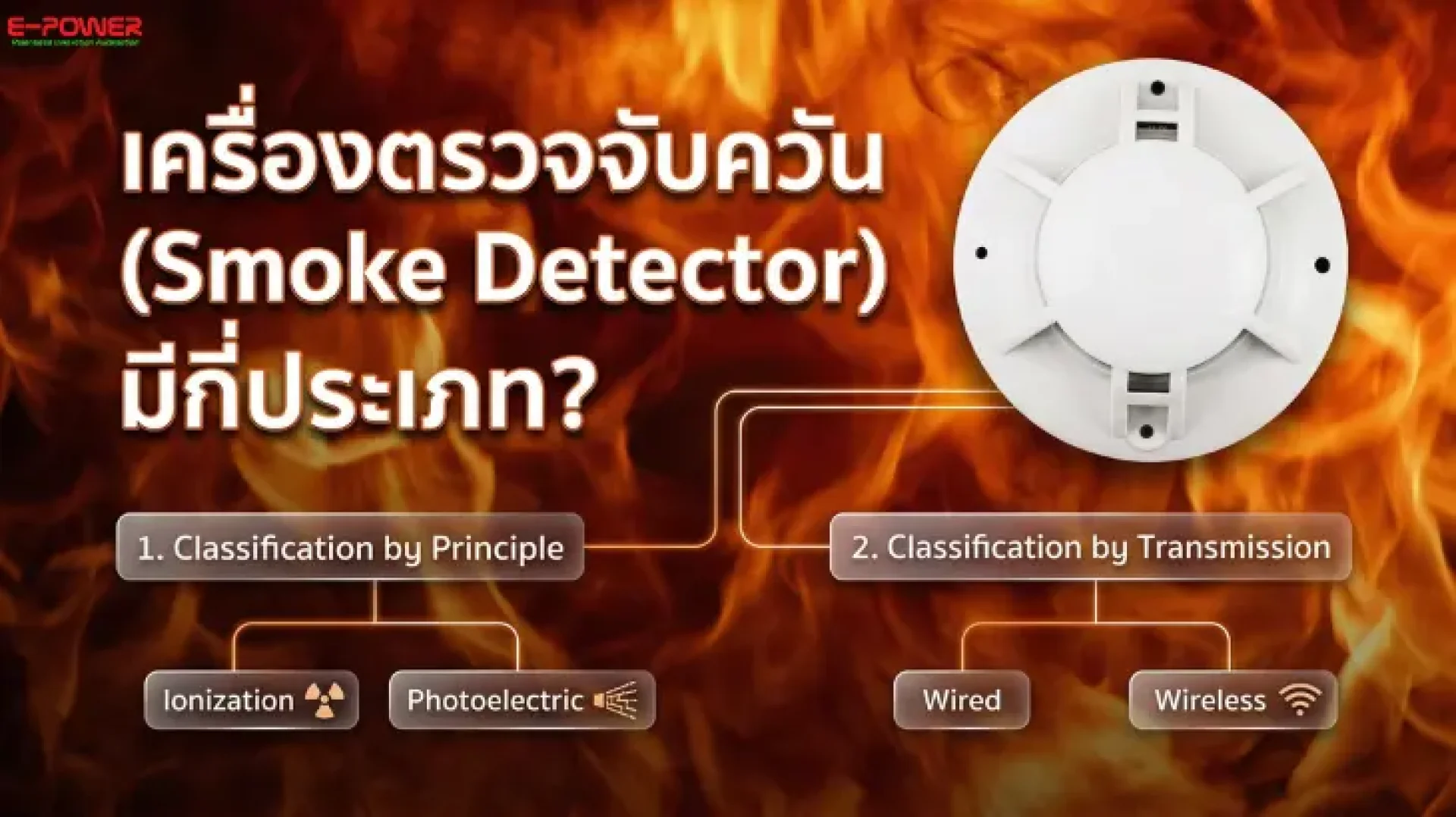
A Smoke Detector or Smoke Alarm is a critical Instrument Sensor for life and property safety. These devices accurately detect smoke at the earliest stages of a fire, providing early warnings that allow for rapid evacuation and response before a fire spreads.
This article explores the various types and working principles of smoke detectors to help you choose the right solution for your Smart Building and industrial safety systems.
Classification of Smoke Detectors
Smoke detectors can be categorized by their working principles and transmission methods:
1. Classification by Working Principle
- Ionization Smoke Detector: This sensor uses a small radioactive source (Am241) inside an ionization chamber to create a constant flow of ions. Under normal conditions, the current and voltage remain stable. When smoke particles enter the chamber, they disrupt the ion flow, causing a change in voltage. Once the voltage reaches a set threshold, the circuit triggers an immediate alarm.
- Photoelectric Smoke Detector: These devices feature an "Optical Labyrinth" containing an infrared light source and receiver. In normal conditions, the receiver does not detect the light. However, when smoke enters the labyrinth, it causes the light to scatter into the receiver. If the intelligent circuit detects that the light intensity exceeds the limit, the alarm sounds. This technology is highly effective at detecting smoldering fires.
2. Classification by Transmission Method
- Wired Smoke Detector: These are typically networked and require an external power supply. The advantage is their ability to integrate with Automation and building control systems. For example, a Relay Output can trigger a sprinkler system or send a signal to a central Fire Alarm panel instantly.
- Wireless Smoke Detector: A stand-alone device powered by batteries. These are much easier to install than wired versions as they require no cabling. Modern Smart Smoke Detectors now support Wi-Fi or connect to IoT Platforms, sending real-time alerts to smartphones even when installed independently.
4 Popular Smoke Detector Formats in Today's Market
- Independent Smoke Alarm: Battery-powered and requires no wiring; ideal for easy installation.
- Bus Smoke Alarm: Connected via a single signal line, allowing for precise location (Addressable) identification during an incident.
- Multi-line / Conventional Smoke Alarm: A traditional system where each zone requires dedicated wiring.
- Relay Smoke Alarm: Features an output signal to trigger external devices or systems.
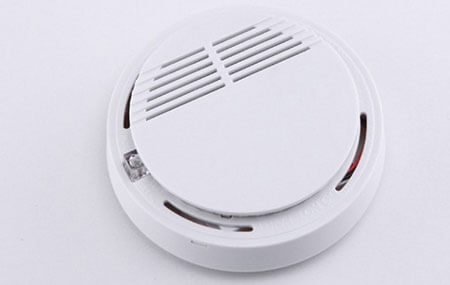
Why are Photoelectric Sensors the Most Popular?
Most modern smoke alarms utilize the Photoelectric principle due to its superior efficiency in detecting dense smoke particles.
Basic Operation: Smoke naturally rises toward the ceiling and enters the sensor chamber. The particles scatter the light beam toward a photosensitive element. The denser the smoke, the more light is scattered. When it reaches a dangerous level, the internal buzzer sounds, and the sensor converts the light signal into an electrical signal to notify the Automatic Fire Alarm System.
Enhance Safety with Industrial Sensors from ePower
Beyond smoke detection, Smart Factories and Smart Buildings require various environmental controls, such as temperature sensors, toxic gas detectors, and air quality monitors. If you are looking for high-quality Instrument Sensors to integrate into your Automation systems, ePower has the solution.
Contact E-Power Service Experts:
- Website: www.epower.co.th
- Line Official: @epower
- Hotline: 081-559-5145