Traffic Meteorology : Traffic Environment Monitoring Sensors
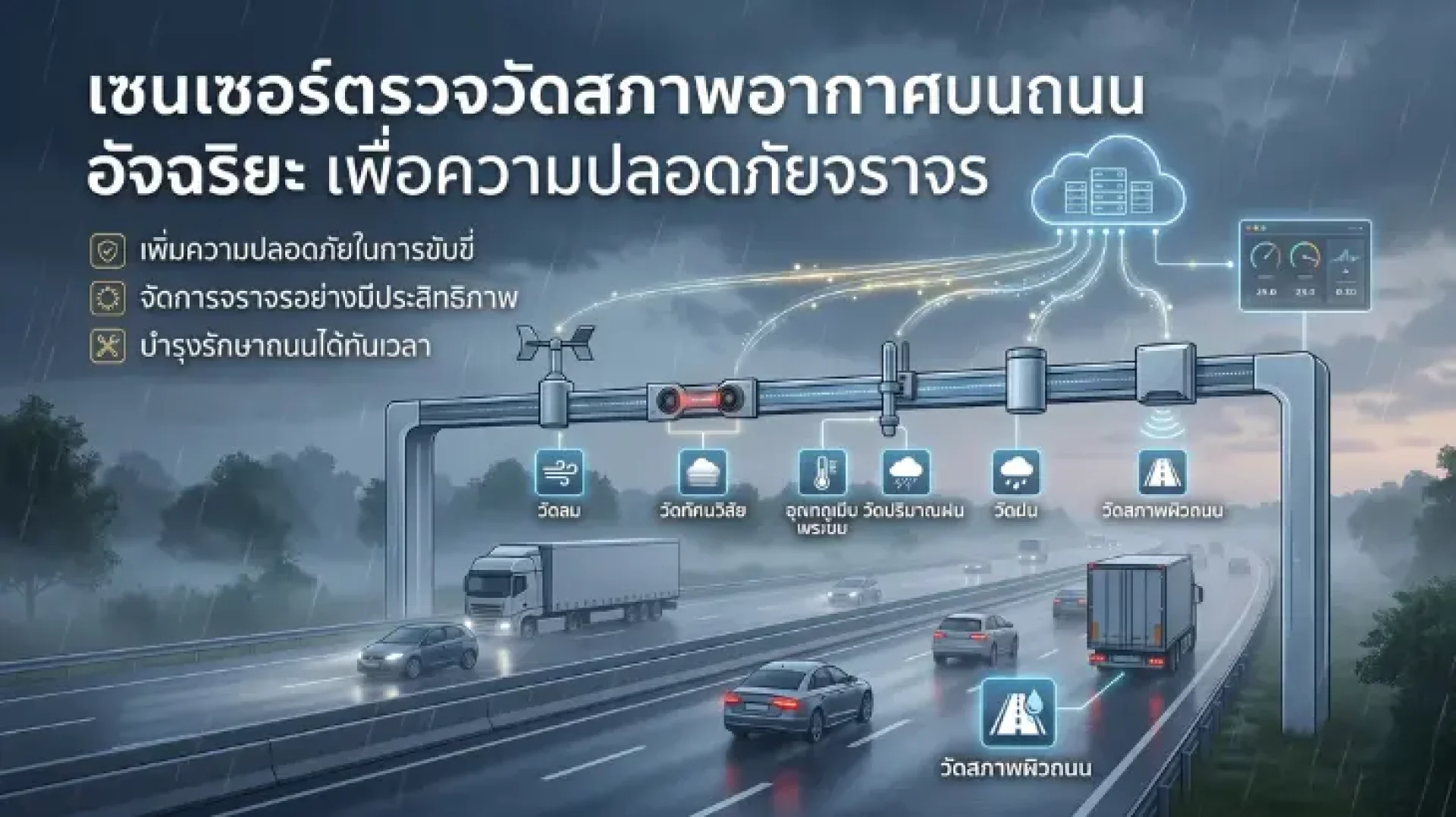
Traffic Environment Monitoring Sensor (Traffic Meteorology) acts as the essential "eyes and ears" of smart traffic management systems in today’s era of increasingly complex transportation. These devices collect real-time weather and road surface data to assess impacts on driving, enabling authorities to plan accident prevention and manage infrastructure with precision.
What is a Traffic Environment Monitoring Sensor?
Traffic environment monitoring sensors, such as the RK Series (including wind speed, direction, atmospheric parameters, visibility, rainfall, and non-contact road condition sensors), are vital in traffic meteorology. They serve as the eyes and ears of traffic management systems by gathering critical environmental and meteorological data. They evaluate how atmospheric and road surface elements affect traffic, helping authorities make better decisions—such as detecting weather changes that cause hazardous driving or infrastructure issues—to create a safer and more efficient traffic environment.
Safe Traffic Sensor Solutions from E-Power Service
At E-Power Service, we offer a suite of international-standard RK Series sensors specifically designed for road applications:
- RK100-02 Wind Speed Sensor : Detects wind speeds that may affect the stability of large vehicles or motorcycles.
- RK110-02 Wind Direction Sensor : Predicts the movement of pollutants or fog on the road to provide timely warnings to drivers.
- RK330-01 Atmospheric Temperature, Humidity & Pressure Sensor : Monitors temperatures that can cause road cracking or humidity levels that lead to fog and dew, which obstruct visibility.
- RK300-10 Visibility Sensor : A crucial device for measuring driver visibility during heavy fog, rain, or snow to ensure maximum safety.
- RK400-01 Rainfall Sensor : Measures rain intensity to assess the risk of flooding on the road surface.
- RK500-55 Non-contact Road Condition Sensor : An innovation that detects water, ice, or snow on the road without physical contact, providing early warnings for slippery conditions.
Why Choose Sensors from E-Power?
- High Precision: Calibrated to international standards to provide the most reliable data for decision-making.
- Durability: Manufactured from materials highly resistant to vehicle vibrations, moisture, and extreme temperature fluctuations.
- Real-time Monitoring: Continuously transmits the latest weather data, allowing traffic management systems to adapt immediately.
What are the Advantages of Traffic Meteorology Sensors?
- Improved Traffic Safety: Providing accurate and timely information helps prevent accidents. For example, visibility sensors notify drivers and control centers to implement safety measures like speed limits, while road condition sensors alert users to slippery surfaces.
- Efficient Traffic Management: Controllers use sensor data to optimize traffic flow. When heavy rain is detected, traffic can be rerouted to avoid floods, reducing congestion and improving network efficiency.
- Timely Road Maintenance: Data from non-contact road condition sensors helps schedule maintenance. Detecting early signs of damage allows crews to respond quickly, minimizing repair costs and extending road lifespan.