How Does PV Module Temperature Affect Solar Power Generation Efficiency?
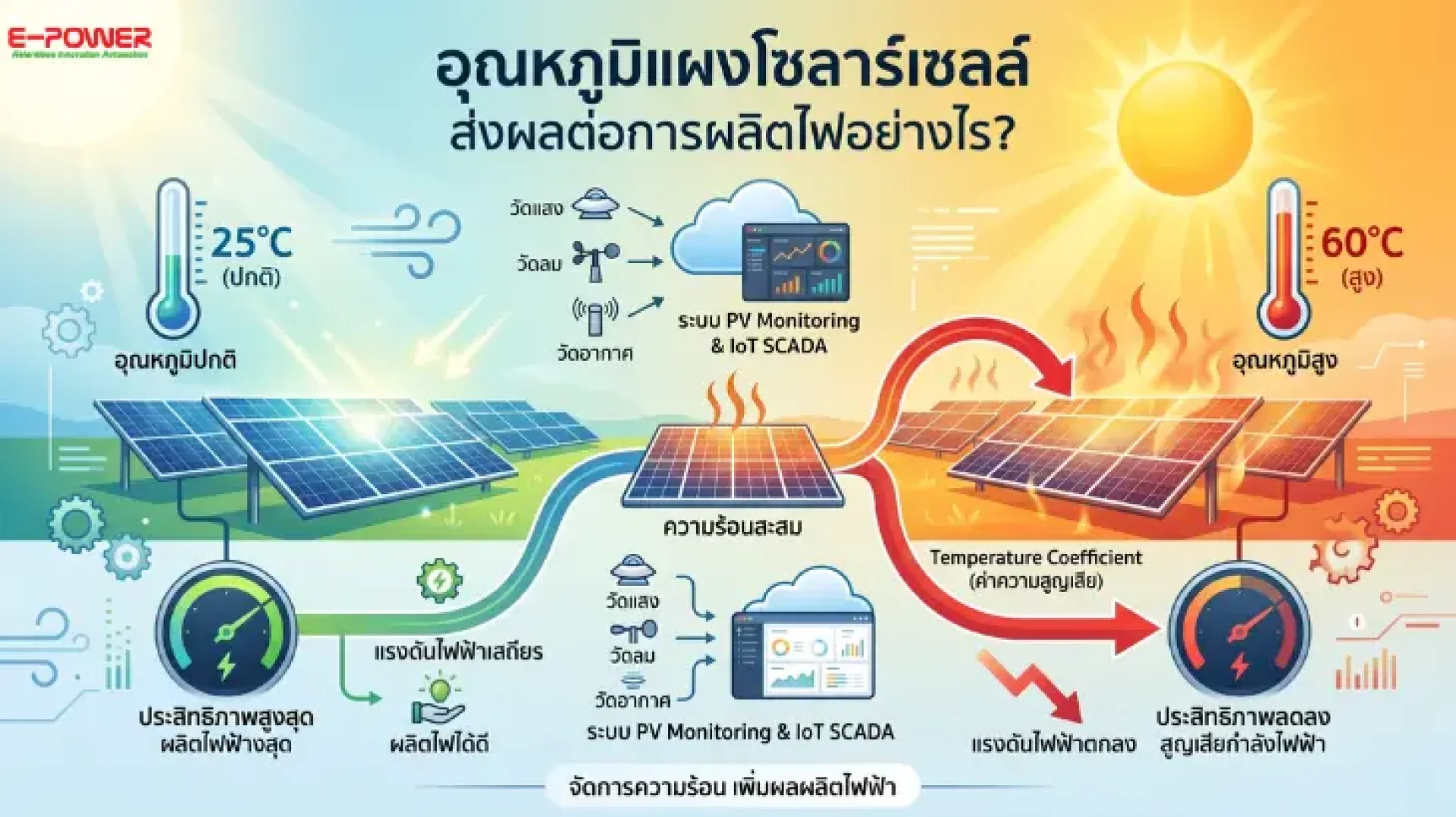
PV module temperature is a critical factor that enterprise operators and engineers cannot afford to overlook. In an era where renewable energy systems are growing exponentially, the Solar PV System has become a core infrastructure for industrial plants, commercial buildings, and smart farms. However, many are unaware that the ultimate adversary reducing power generation efficiency is not darkness, but rather the "accumulated heat" radiating on the panels themselves.
This article provides an engineering deep dive into how PV module temperature impacts power generation capacity. It also introduces environmental monitoring technology (PV Monitoring) using international industrial-grade sensors, enabling solar farm operators to control and maximize system efficiency effectively.
Why Does Excessive Temperature Decrease Solar Efficiency?
It is a common misconception that stronger sunlight always equates to better solar power generation. In reality, solar panels operate based on "solar irradiance," not "heat." Generally, solar panels are certified under Standard Test Conditions (STC) at a standard temperature of 25 degrees Celsius. However, when deployed in actual outdoor environments under intense tropical sunlight, the PV module temperature or panel surface temperature can easily skyrocket to 50 to 70 degrees Celsius.
- Engineering Impact: As PV module temperature rises, the voltage output decreases, subsequently lowering the overall efficiency and output power. Engineers refer to this rate of decline as the Temperature Coefficient. Neglecting to monitor and manage panel temperature causes asset owners to lose significant power generation opportunities unnecessarily.
Consequently, implementing a PV Environmental Monitoring System to track PV module temperature and surrounding environmental factors is absolutely essential for analyzing the long-term cost-effectiveness and health of the system.
Technical Insights on RK220-01: The Industry Standard for PV Module Temperature Sensing
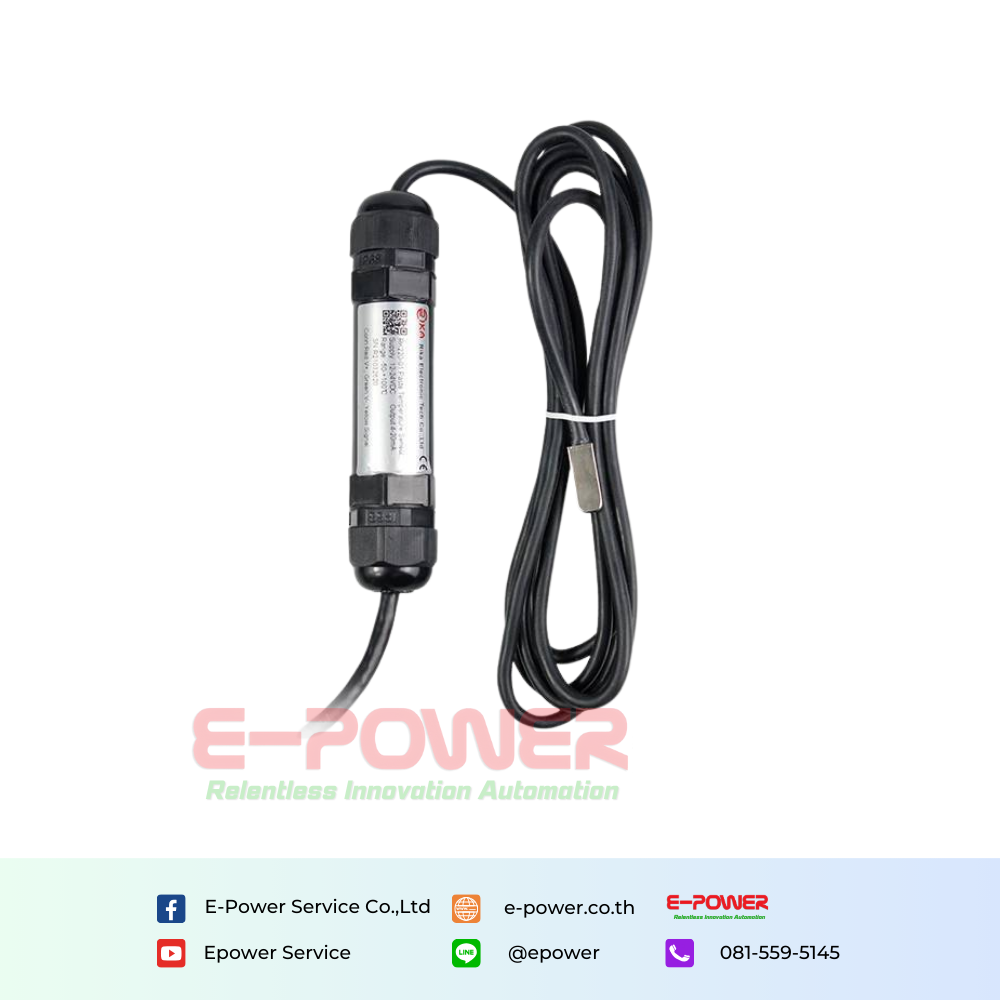
Based on real-world case studies across multiple countries—including Indonesia, Myanmar, India, and Thailand—the most widely trusted sensor in the solar industry is the RK220-01 Paste Type Temperature Sensor , specifically engineered to measure PV module temperature via external surface attachment.
Key Technical Features:
- High Accuracy: Delivers high precision with low measurement drift, enabling precise analysis of the panel's Temperature Coefficient.
- Wide Range & Good Stability: Supports a broad temperature measurement spectrum and maintains high stability despite prolonged exposure to harsh outdoor environments.
- Various Output Signals: Offers versatile industrial output options, including 4-20mA and Modbus RTU (RS485), allowing seamless transmission of PV module temperature data to Data Loggers, PLCs, or centralized control systems.
- Strong Corrosion Resistant Ability: Constructed from highly durable materials resistant to UV radiation, weathering, and site-specific chemicals.
Scaling Up PV Monitoring with E-Power Service Solutions
To achieve optimal Solar Farm Management, relying solely on PV module temperature data may not suffice. E-Power Service (www.epower.co.th), as an expert in industrial automation and instrumentation, recommends integrating multiple sensors to establish a comprehensive Automatic Weather Station (AWS) customized for solar applications:
- Pyranometer (Solar Irradiance Sensor): Correlates real-time solar intensity with PV module temperature to verify if the system is operating at its optimal Performance Ratio (PR).
- Ambient Temperature & Humidity Sensor: Monitors ambient air conditions to analyze the natural thermal dissipation surrounding the arrays.
- Wind Speed & Direction Sensor: Wind acts as a natural cooling mechanism for solar panels. Measuring wind velocity helps evaluate the precise cooling rate of the PV module temperature.
- Haiwell Cloud SCADA & IoT Platform: Centralizes data from all weather sensors and PV module temperature probes, streaming it directly to the Cloud. This empowers engineers to monitor performance metrics in real-time via mobile devices or computers 24/7, complete with instant alarm notifications during anomalies.
Conclusion: Managing PV Module Temperature for Maximum ROI
Transitioning to sustainable Smart Energy begins with accurate data collection. Selecting high-quality sensors to manage PV module temperature, paired with an end-to-end environmental monitoring system, protects your assets, extends panel lifespan, and guarantees the highest long-term Return on Investment (ROI).
If you are looking for industrial sensors, solar panel instrumentation, weather stations, or Cloud SCADA systems, consult and co-design your system with the engineering team at E-Power Service immediately at www.epower.co.th.