Intelligent Garbage Station Environmental Monitoring Solutions: Managing Odors and Hazardous Gases for Community Wellness
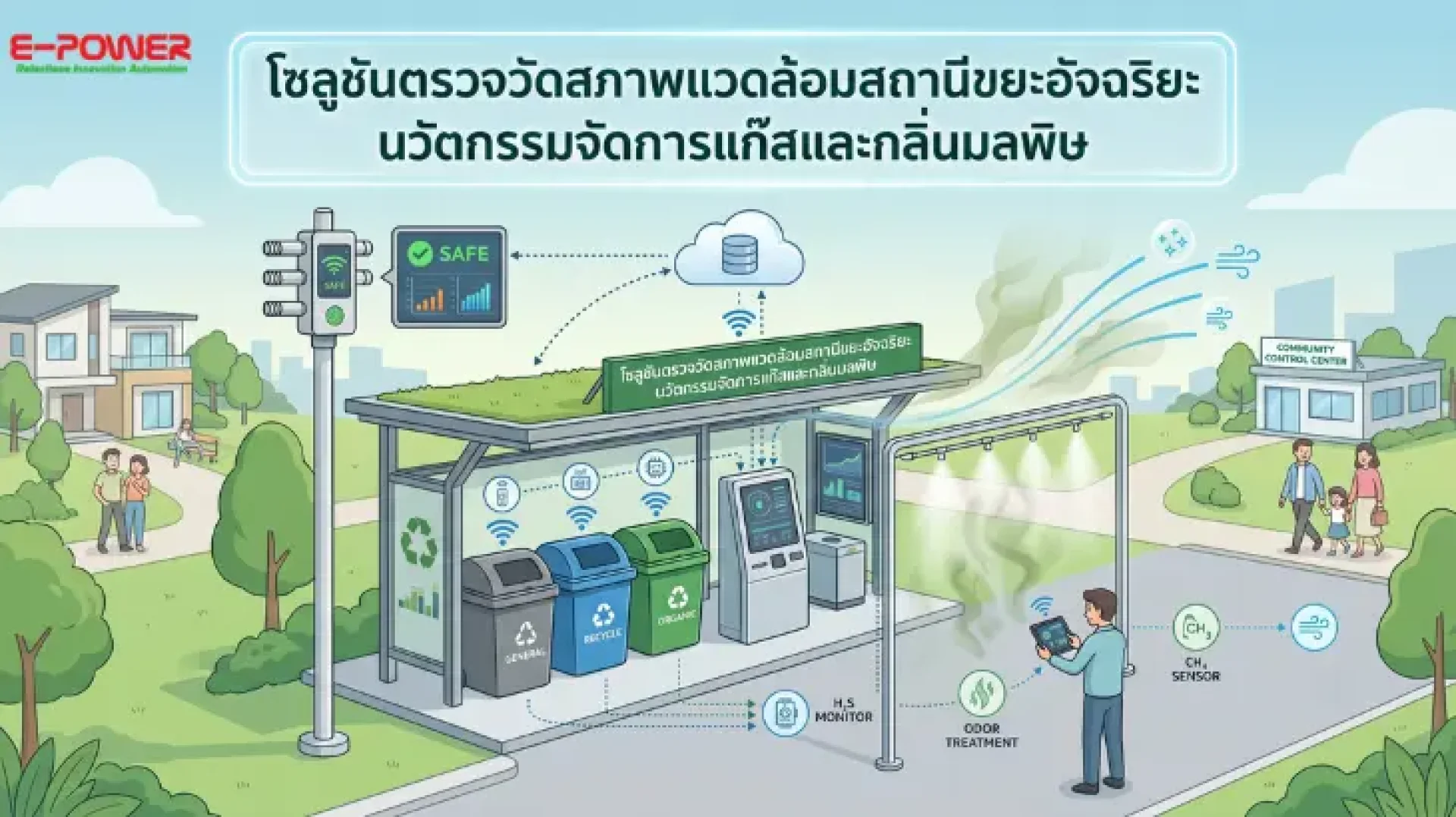
Intelligent Garbage Station Environmental Monitoring Solutions are vital technological frameworks for managing public hygiene and atmospheric environmental quality around urban waste accumulation centers and solid waste sorting facilities. Because municipal refuse sites and waste-to-energy conversion plants aggregate and decompose vast quantities of organic matter, these chemical reactions release significant amounts of malodorous and hazardous toxic gases into the atmosphere. These emissions include Ammonia (NH3), Hydrogen Sulfide (H2S), Methane (CH4), Carbon Monoxide (CO), and Total Volatile Organic Compounds (TVOCs). These airborne pollutants not only generate severe air pollution and degrade town aesthetics, but also directly threaten the respiratory health of residents in neighboring communities.
Consequently, deploying Intelligent Garbage Station Environmental Monitoring Solutions built on IoT Remote Monitoring technologies from world-class brands like Rika Sensor has become an essential industrial instrumentation strategy. This framework empowers facility operators and local municipalities to execute concrete odor control and hazardous gas management. This system is perfectly suited for waste transfer stations, recycling yards, landfills, incineration facilities, and waste-to-energy plants.
Structure of the Intelligent Waste Monitoring System
The environmental monitoring architecture for smart refuse collection points is engineered to function as a 100% automated, integrated network, divided into three core subsystems:
- Environmental Equipment System (Field Sensor Array): Deployed across high-risk containment zones to intercept signals and track diverse environmental parameters 24/7. The specialized sensors convert toxic and hazardous gas concentrations into standardized digital signals, streaming them to localized controllers for on-site display.
- Data Transmission System: Transports the digital data packets from field controllers and industrial data loggers via robust industrial communication networks (such as RS485 Modbus RTU, cellular 4G LTE, or WiFi architectures) to the centralized processing core.
- Data Monitoring System: The endpoint software platform that aggregates, processes, and visualizes incoming metrics on a centralized dashboard. It triggers instant automated system alarms to computers and smartphones the moment gas concentrations exceed pre-configured safety thresholds, allowing automated activation of ventilation fans or chemical odor-neutralizing misters.
Recommended Industrial-Grade Sensors for Waste Management Infrastructur
To ensure maximum performance, stability, and accuracy across corrosive and high-acid/alkaline dump environments, E-Power Service recommends utilizing Rika Sensor’s premier line of industrial instrumentation:
- Ammonia and Hydrogen Sulfide Sensors (NH3 and H2S): Directly measure the primary target gases responsible for pungent, rotten organic odors.
- TVOC Sensors: Detect hazardous volatile organic compounds that pose severe risks to human health and central nervous systems.
- Methane, Carbon Monoxide, and Oxygen Sensors (CH4, CO, O2): Gauge concentrations of combustible gases (Methane) to mitigate explosion and fire hazards within enclosed landfills, while tracking oxygen baselines to safeguard field personnel.
- Garbage Overflow Sensors (Infrared / Ultrasonic): Utilize acoustic or infrared waves to calculate fill-levels within waste bins or holding pits, dispatching proactive collection alerts before waste breaches capacity.
- Atmospheric Temperature and Humidity Sensors: Monitor localized microclimates, as high temperature and humidity levels act as natural catalysts accelerating organic decay and odor dispersion.
Premium Features and Benefits via Cloud SCADA Orchestration
Integrating Intelligent Garbage Station Environmental Monitoring Solutions alongside the advanced Haiwell Cloud SCADA platform via the engineering expertise of E-Power Service (www.epower.co.th) expands system capabilities through intelligent operations:
- 24/7 Environmental Monitoring: Continuous, flawless automated field logging completely eliminates manual data-collection human errors.
- Multi-End Query and Big Screen Visualization: Empowers teams to monitor equipment status, review metrics, and track historical alarms seamlessly across PCs, smartphones, tablets, or large-scale control room LED visual walls.
- GIS Map Management: Plots exact coordinates of distributed waste stations onto a virtual map, displaying real-time operational health, energy usage, and threat matrix levels to enable swift asset locating and troubleshooting.
- Advanced Data Analysis: Automatically cross-references and compiles raw datasets into structured trend lines, bar charts, or pie diagrams, simplifying environmental reporting and allowing easy spreadsheet data export for regulatory compliance audits.
- Multi-Level Early Warning: Implements a tiered mitigation hierarchy. When toxic gas volumes or internal pit temperatures begin to drift abnormally, the platform instantly broadcasts multi-channel alerts via SMS, automated voice calls, or application notifications to prevent fires or severe odor crises before they escalate.
Conclusion: Driving the Shift Towards Smart Industry and Green Enterprise
Implementing Intelligent Garbage Station Environmental Monitoring Solutions represents a definitive milestone toward building functional Smart Cities and upgrading green industrial practices. Acquiring exact, traceable hazardous gas data actively mitigates regulatory friction between manufacturing plants and surrounding residential zones, while guaranteeing strict adherence to environmental safety laws.
If you are looking for industrial gas detection systems, plant odor management frameworks, or wish to design a unified automatic weather station paired with an IoT Cloud SCADA platform, consult and co-design your system directly with the engineering experts at E-Power Service immediately at www.epower.co.th.