Indoor and Outdoor Air Quality Monitoring: Smart Solutions for Smart Cities
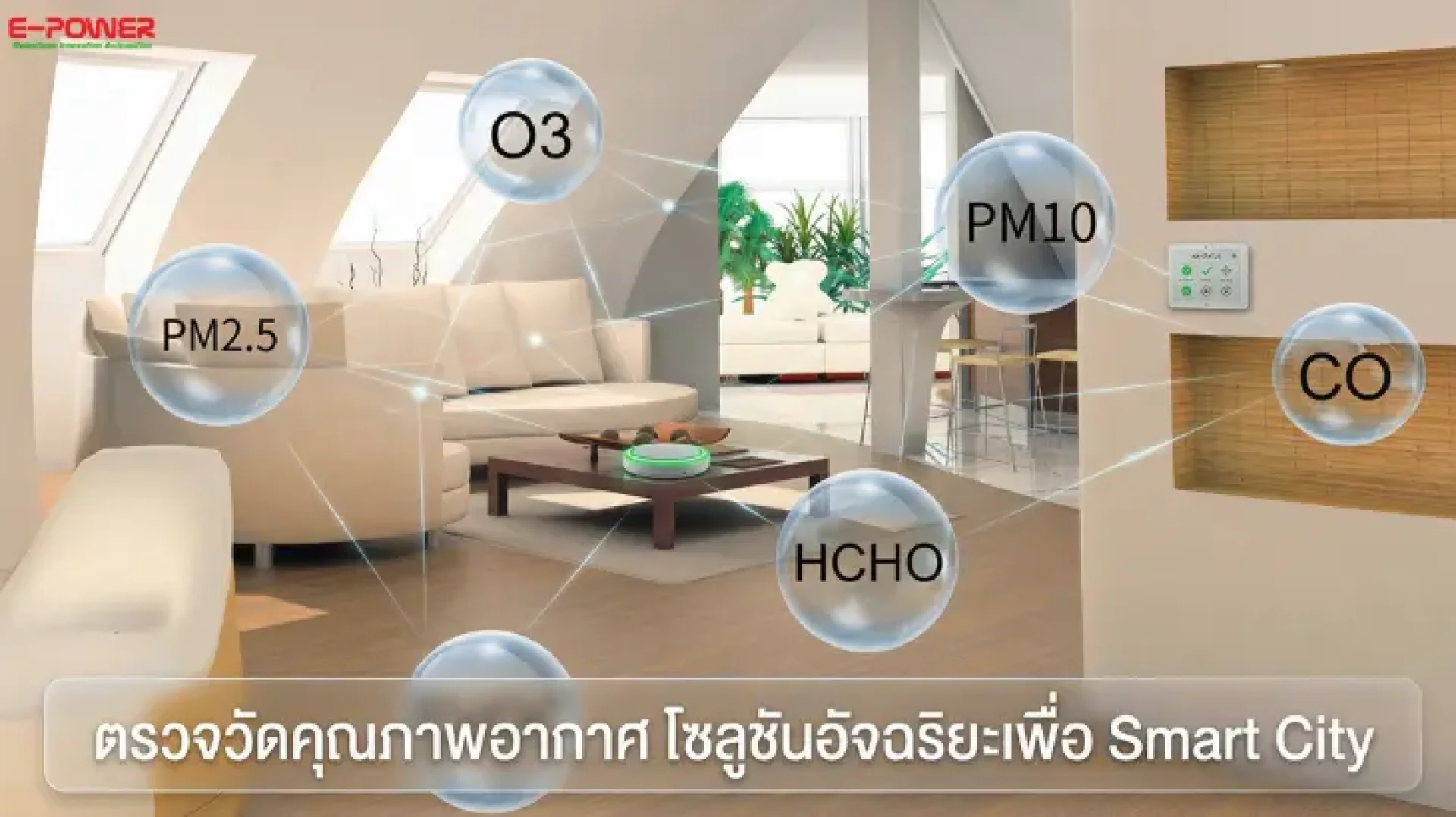
What is Air Quality Monitoring?
Air Quality Monitoring is the continuous process of measuring pollutant levels in the air at specific locations. Typically, multiple monitoring stations are established across a city to track pollutant concentrations in real-time. This data is then analyzed to assess environmental conditions and their potential impacts on public health.
Air pollution is a complex phenomenon driven by various factors, including human activities such as vehicle emissions, industrial processes, waste incineration, and construction, as well as natural factors like topography and weather. Key substances monitored include Sulfur Dioxide ($SO_2$), Nitrogen Oxides ($NO_x$), Hydrocarbons, and Particulate Matter (PM).
Why is Air Quality Monitoring Important?
In the past, people often only paid attention to air quality when they noticed unusual odors or physical discomfort, by which time their health might already be compromised. The true value of air quality monitoring lies in providing real-time alerts, enabling individuals to avoid high-pollution areas and take immediate protective measures, such as wearing N95 masks or activating indoor air purifiers.
Air Quality Monitoring Approaches by Environment
1. Outdoor Air Quality Monitoring
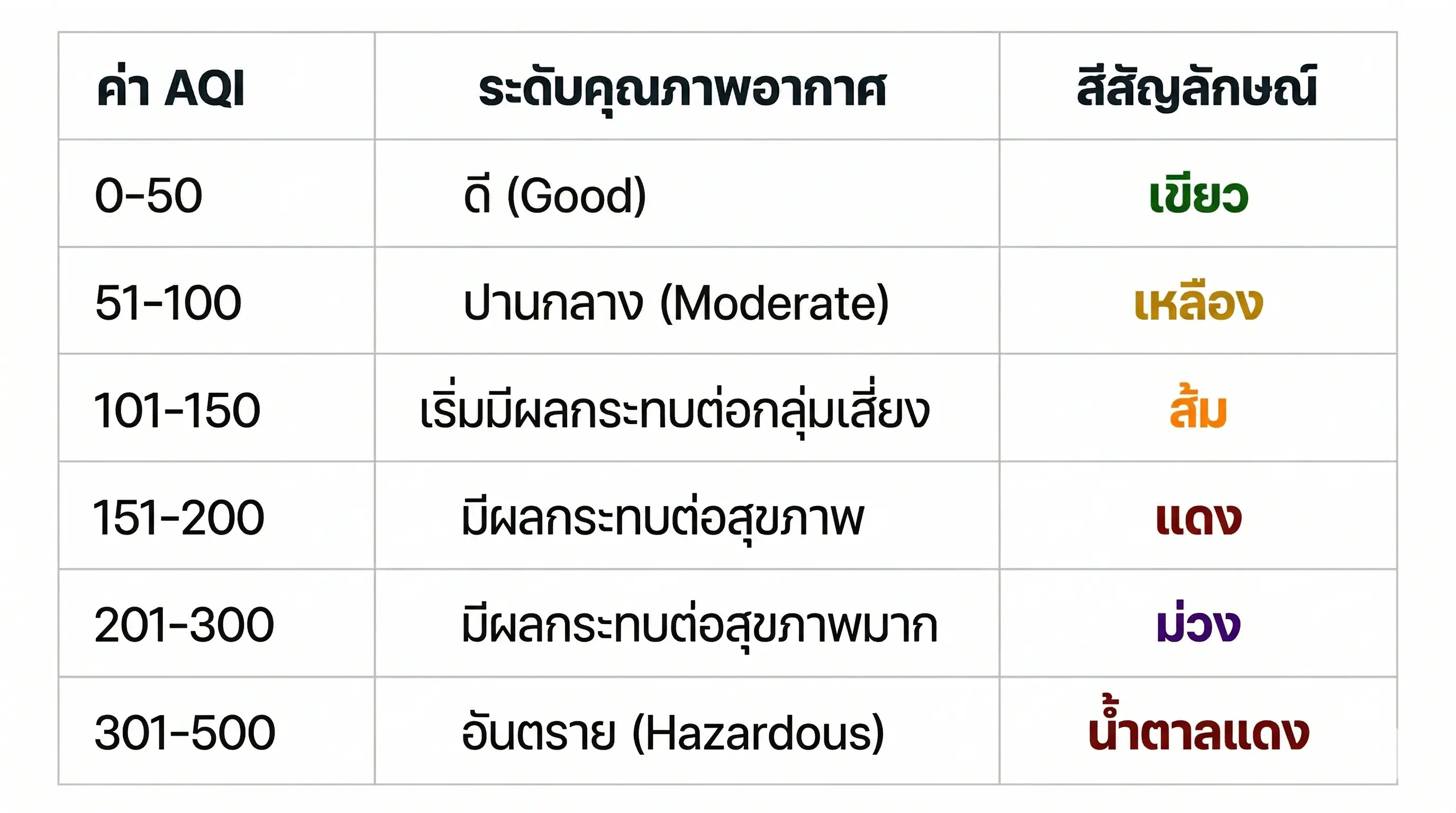
Since outdoor pollution is often invisible, sensors managed by government agencies or organizations report data via the Air Quality Index (AQI). This universal scale (0-500) communicates air safety levels to the public:
- 0-50: Good (Green)
- 51-100: Moderate (Yellow)
- 101-500: Increasing risk levels from Unhealthy to Hazardous.
2. Indoor Air Quality Monitoring
Indoor air quality can decline due to dust, high humidity, cleaning chemicals, or VOCs from building materials. Recommended devices include:
- Renke MS111: A versatile monitor measuring up to 11 parameters simultaneously ($PM_{2.5}$, $CO_2$, TVOC, HCHO, etc.), ideal for smartphone monitoring.
- Temtop M100: A cost-effective all-in-one weather station with Wi-Fi alerts.
- Airthings Wave Plus: An aesthetically pleasing portable monitor perfect for bedrooms and home offices.
3. Industrial Air Quality Monitoring
Industrial environments often face higher and more diverse pollutant concentrations. This requires high-precision, rugged instruments such as the Renke MG111 AQI Sensor, designed to withstand dust and moisture while isolating temperature and humidity sensors to prevent signal interference.
What is an Air Quality Monitoring System?
An Air Quality Monitoring System is an integrated ecosystem of sensors working together to collect real-time data, which is then uploaded to a cloud or dashboard like the E-power IoT Platform. This enables comprehensive analysis and sustainable environmental management strategies.
Advantages of the System:
- Environmental Assessment: Precisely understand the environmental health of a specific area.
- Policy Formulation: Accurate data helps authorities implement effective mitigation measures.
- Public Awareness: Publicly available data empowers citizens to take protective actions.
- Research Support: Provides essential long-term data for studying pollution sources and impacts.
Conclusion
Whether for a home, office, or industrial estate, a reliable air quality monitoring system is an investment in safety and quality of life. If you are looking for Air Quality Sensors or a complete Environmental Monitoring solution, E-Power Service Co., Ltd. (ePower) offers expert consultation and cutting-edge technology. Learn more at www.epower.co.th.