Aquarium pH Meters : Professional Water Quality Management and Fish Health Care
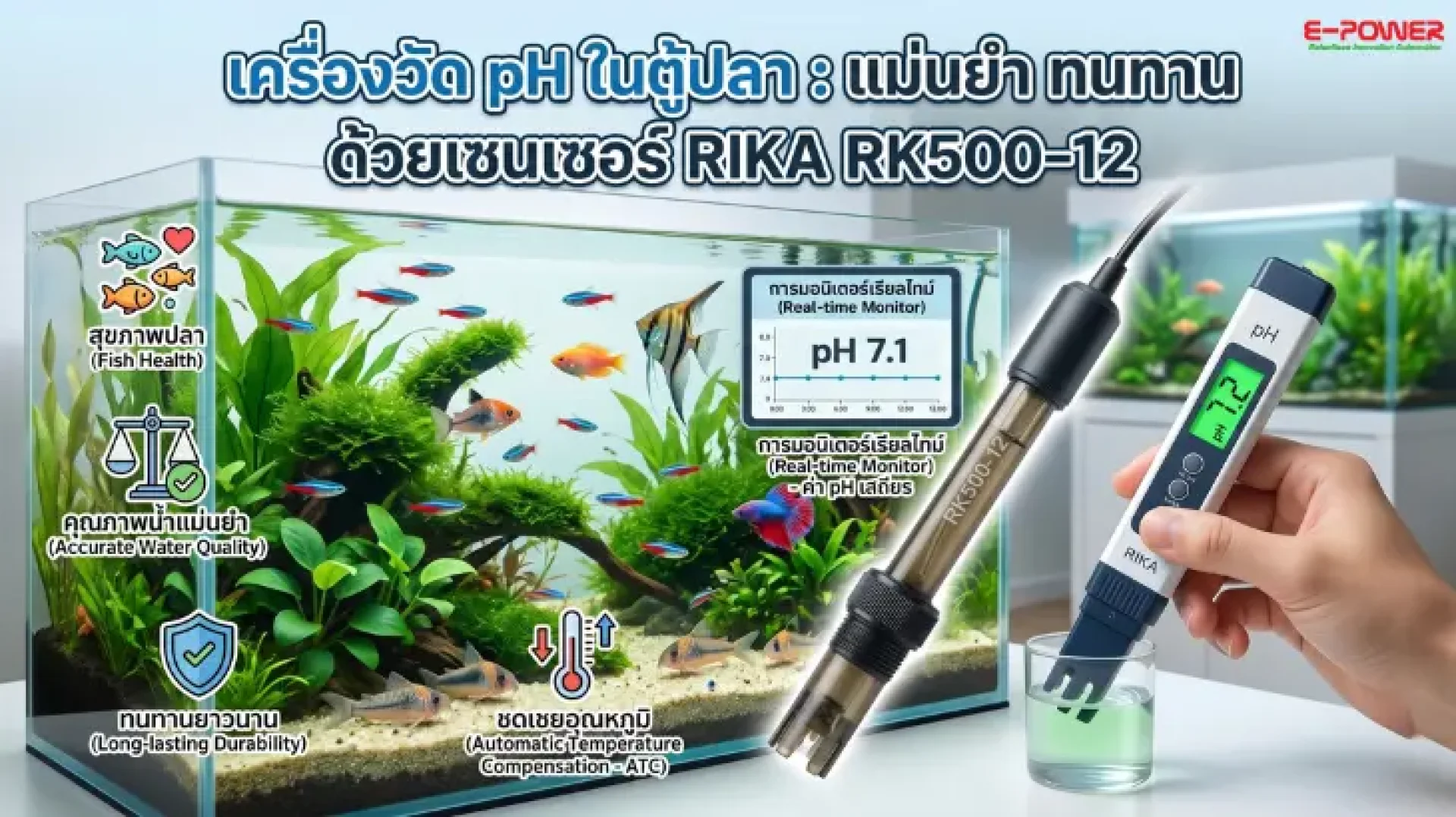
Maintaining water balance is the heart of fish keeping. But how can we be certain that the water quality remains optimal? The answer lies in using a precise Aquarium pH Meter. Since the ideal pH range (typically 6.5 – 8.5) is a key indicator of aquatic life survival, even minor fluctuations can cause significant stress or illness. For hobbyists and commercial aquaculture operators alike, reliable measuring tools are indispensable.
Why Use an Aquarium pH Meter to Check Water Quality?
The pH value is not static; it fluctuates constantly due to biological activities within the tank, directly impacting the ecosystem:
- Acidic Conditions (Low pH): Often caused by waste accumulation and organic decomposition, leading to respiratory distress and lethargy in fish.
- Alkaline Conditions (High pH): Often caused by specific decorations, leading to skin and gill irritation.
Since pH cannot be determined by the naked eye, using an Aquarium pH Meter is the only way to detect and address issues before they lead to loss.
In-Depth: Types of Aquarium pH Meters and Equipment
Choosing the right device for your specific application is crucial for accuracy:
1. Portable Digital pH Pens
Ideal for hobbyists, these are easy to use and provide quick digital readouts, eliminating the human error associated with color-matching test kits.
- Recommended for Fresh Water: RIKA RK500-12 Type-A1 or Type-B1 – Standard sensors designed for conventional water, providing high precision for freshwater aquariums.
2. Online pH Monitoring Systems
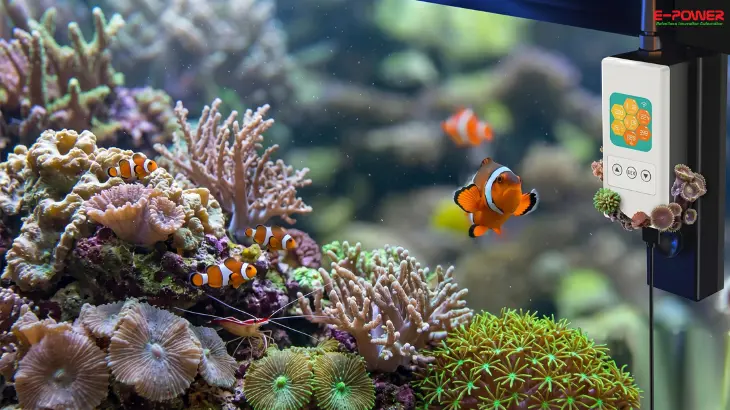
Designed for large-scale fish farms or high-end marine aquariums, these systems utilize sensors submerged 24/7 to provide real-time data.
- Recommended for Saltwater/Industrial Use: RIKA RK500-12 Type-A2 or Type-B2 – Specifically engineered for seawater and industrial water, offering superior corrosion resistance.
3. Smart Water Management Solutions from E-Power
For those seeking advanced control, our Water Quality Monitoring System integrates pH, Dissolved Oxygen (DO), and Conductivity into a single platform, featuring smartphone alerts for any water quality abnormalities.
pH Adjustment Techniques After Measurement
Once you have used your Aquarium pH Meter and identified a deviation, you can adjust the levels as follows:
- How to Lower pH: Use RO (Reverse Osmosis) water, add natural driftwood, or use Indian Almond leaves to release tannins.
- How to Raise pH: Use coral sand or oyster shells in the filtration system, or add a controlled amount of sodium bicarbonate (baking soda).
Summary: Choosing the Right Aquarium pH Meter
Investing in a high-quality Aquarium pH Meter with ATC (Automatic Temperature Compensation) ensures accurate readings regardless of temperature changes. If you are looking for industrial-grade water quality sensors, E-Power is ready to provide expert consultation to find the perfect solution for your needs.