Ultrasonic Anemometer : Smart Innovation for High-Precision Wind Measurement
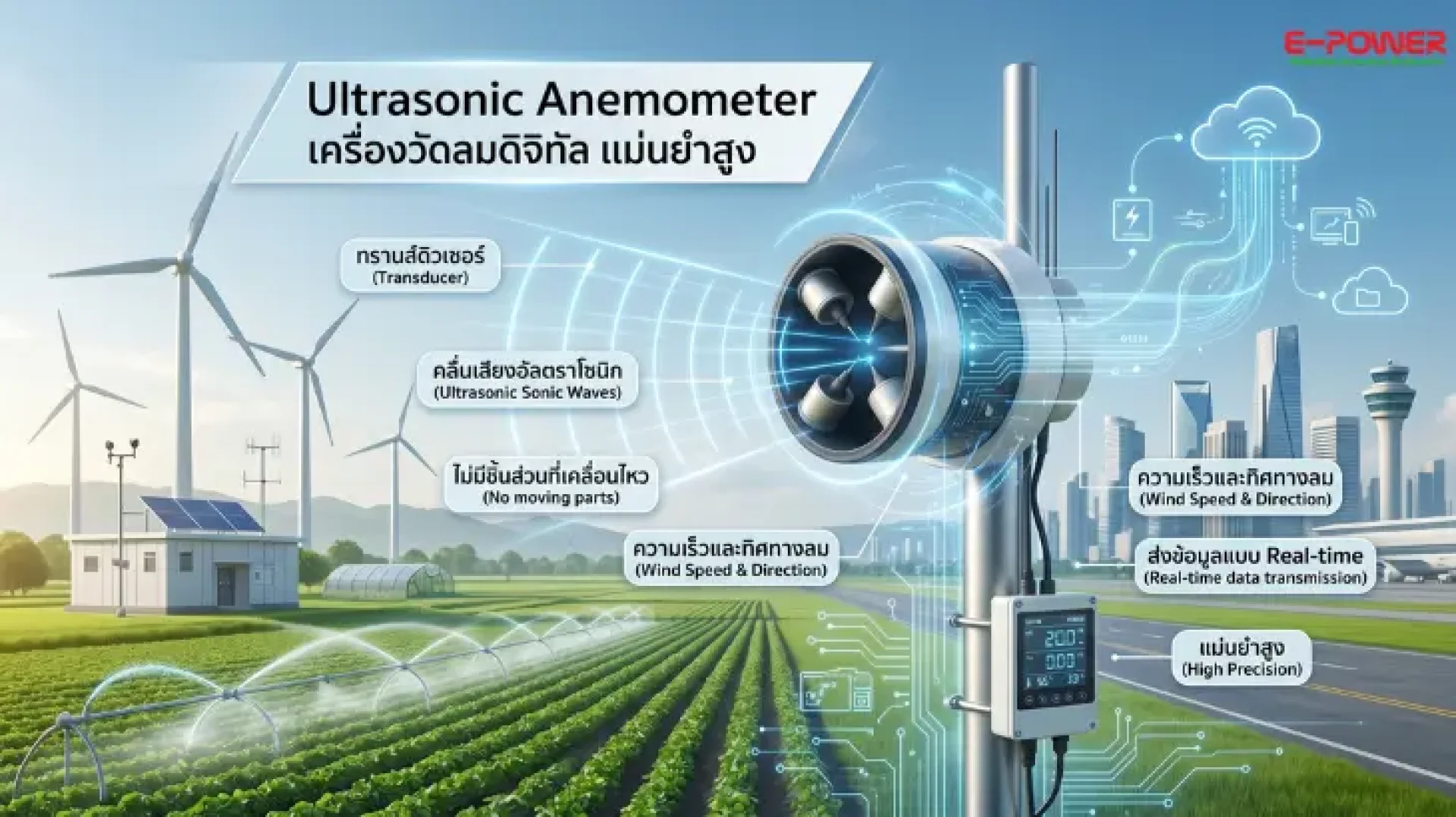
Ultrasonic Anemometer (Ultrasonic Wind Sensor) represents a technological advancement that has revolutionized how we measure wind speed and direction. This smart device was developed to overcome the limitations of traditional cup and vane anemometers by utilizing sound waves for data processing, offering immense benefits in both accuracy and durability. This article provides a comprehensive look into its working principles, advantages, and diverse industrial applications.
Working Principle of the Ultrasonic Anemometer
The Ultrasonic Anemometer operates on a concept that blends simplicity with high precision by measuring the Sonic Transit Time to determine wind speed and direction:
- Transducer Setup: The device consists of sets of transducers that act as both senders and receivers of sound wave signals within the measuring area.
- Sound Wave Propagation: In still air, sound waves travel between the transducers at a constant speed.
- Wind-induced Alteration: When wind passes through, it affects the velocity of the sound waves moving parallel to the flow, causing a shift in the transit time.
- Data Analysis: The system analyzes these time differences to calculate the most accurate wind speed and direction for any environment.
Superior Advantages of Ultrasonic Wind Sensors
Choosing an Ultrasonic Anemometer from experts like E-Power Service offers distinct advantages:
- High Reliability: Because there are no moving parts (non-mechanical), the risk of wear and tear or mechanical failure is reduced, providing consistent results even in harsh weather.
- Low Maintenance: No need for frequent lubrication or part replacements, making it ideal for installations in remote or hard-to-reach areas.
- Excellent Durability: Designed to withstand extreme temperatures, corrosion, and dust, offering a longer lifespan than traditional instruments.
- High Temporal Resolution: Capable of collecting data at frequencies of 20 Hz or higher, allowing for the detection of rapid wind changes and air turbulence.
- Remote Monitoring Support: Can connect to cloud systems or online databases to track real-time data from anywhere in the world.
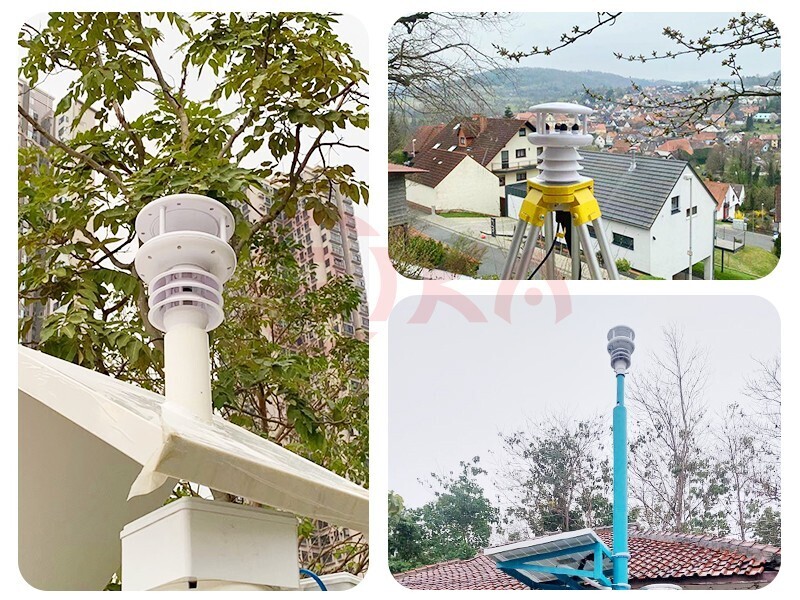
Applications Across Various Industries
Ultrasonic Anemometers are versatile and widely used in several fields:
- Precision Agriculture: Helps farmers monitor airflow patterns to improve pesticide and fertilizer spraying and manage irrigation systems efficiently.
- Urban Planning and Architecture: Evaluates microclimates to design buildings and public spaces that are safe and energy-efficient.
- Aviation and Aerospace Engineering: Provides critical data on wind shear and turbulence for flight safety.
- Renewable Energy: Plays a key role in analyzing wind resources to optimize electricity production from wind turbines.
- Industrial Safety: Monitors wind conditions in high-risk areas, such as oil refineries or construction sites, to prevent hazards from strong winds.
Recommended Technology from E-Power Service
E-Power Service is your trusted partner for international-standard Ultrasonic Anemometer solutions from Rika Sensor. With over a decade of experience, we provide weather monitoring equipment that meets diverse needs, serving customers in over 50 countries worldwide.
Recommended Models:
- Pulse-Type Anemometer: Ideal for atmospheric microstructure studies requiring high sensitivity.
- Continuous-Phase Anemometer: Suitable for general weather monitoring, wind energy management, and environmental studies.