What Are Visibility Sensors? Elevating Safety and Efficiency Across Every Industry
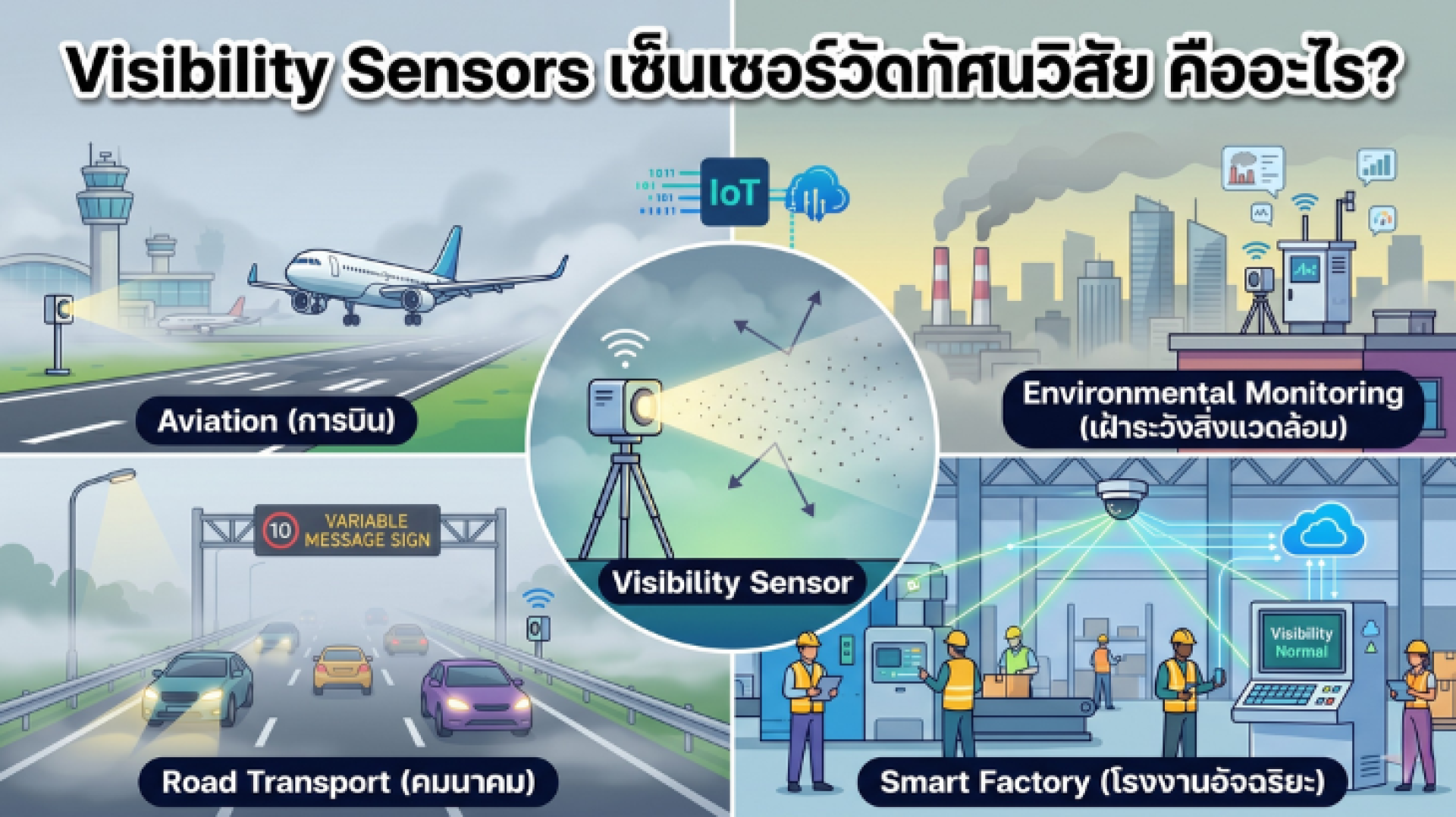
Visibility Sensors are highly advanced measurement instruments that play a pivotal role across a multitude of industries. They are designed to measure and assess "atmospheric visibility"—the maximum distance an observer can clearly see under current weather conditions. This data is a fundamental parameter in meteorology, aviation, transportation, environmental monitoring, and Industrial Automation. Understanding and accurately tracking visibility is critical because it directly impacts human safety, operational efficiency, and environmental quality.
These environmental measuring instruments are the beating heart of several vital sectors:
- Aviation: Ensures safe takeoffs and landings at airports and helipads by empowering pilots to make split-second decisions based on real-time visibility data.
- Transportation (Road & Rail): Aids in traffic management and enhances driver safety by broadcasting early warnings about hazardous weather conditions.
- Environmental Monitoring: Assesses air quality and tracks the dispersion of pollutants, fine dust, or smog.
- Industry and Construction: Heavy manufacturing plants and construction sites rely on these sensors to maintain a consistently safe working environment.
The Working Principle of Visibility Sensors
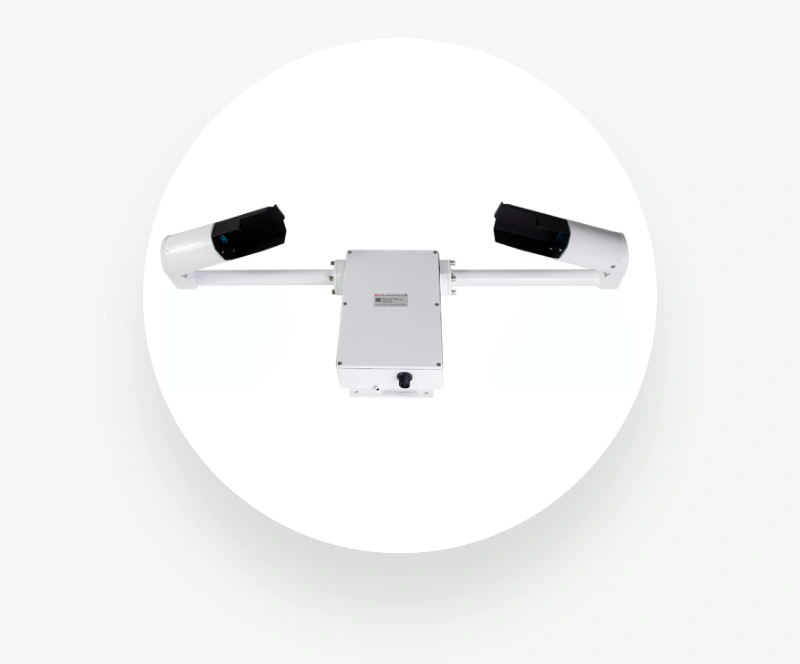
Visibility Sensors operate primarily on the principle of light scattering and detection. The sensor emits a concentrated light beam into the atmosphere and measures the amount of light that scatters back when it collides with airborne particles such as dust, fog, smoke, or precipitation. The system then processes this scattered light intensity through advanced mathematical algorithms to calculate a highly precise Visibility Range.
Popular Types of Visibility Sensors in the Industry
Visibility sensors come in various configurations, each expertly tailored to specific operational environments:
1. Optical Sensors
This is the most widely utilized category. Optical sensors rely on infrared light to measure atmospheric visibility. Highly versatile, they are deployed across aviation, meteorology, transportation, and environmental sectors. Their ability to deliver reliable data under diverse weather conditions makes them the go-to choice for general applications.
2. Lidar Sensors
Lidar (Light Detection and Ranging) represents the next level of high-performance visibility sensing. Instead of infrared, Lidar utilizes laser technology to assess visibility, particularly over extremely long distances. Their capacity to deliver pinpoint accuracy at extended ranges makes them indispensable for applications demanding maximum resolution.
3. Radar Sensors
These sensors utilize radio waves to evaluate surrounding visibility. Their standout feature is the ability to operate flawlessly even in the harshest environments with heavy precipitation, such as torrential rain, snow, or sleet. They are invaluable assets when visibility assessments are required during severe weather crises.
Core Components and Underlying Technology
Visibility Sensors consist of critical components driven by advanced technology to guarantee accuracy:
- Light Sources: Utilizes high-end LEDs or laser diodes to emit the initial light beam into the atmosphere.
- Detectors: Responsible for capturing the scattered light and measuring its intensity, which is the primary variable for calculation.
- Signal Processing: Employs sophisticated algorithms and mathematical models to compute visibility based on light intensity, cross-referenced with temperature and humidity factors.
Industrial Applications and Smart Integrations
E-Power Service Co., Ltd. recognizes the immense value of integrating these technologies into modern infrastructure and automated control systems:
- Roadways and Highways: Integrated into smart city traffic management to monitor fog, heavy rain, or snow, instantly alerting drivers to reduce speed.
- Railway Systems: Installed along weather-volatile tracks to provide real-time data to train conductors and dispatchers, allowing for timely schedule adjustments and speed reductions.
- Air Quality Assessment: In urban and industrial zones, these sensors evaluate visibility ranges directly linked to Particulate Matter (PM) levels, helping authorities target critical areas for pollution control.
- Climate Research: Scientists harness this data to study long-term weather trends and the atmospheric impact of wildfires or smog.
- Smart Factory: Essential for maintaining plant safety. If factory visibility drops due to smoke, chemical leaks, or dust, the sensor can trigger automated responses via PLC / HMI systems, or send data to Haiwell Cloud SCADA V3.50 to automatically activate exhaust fans and sound evacuation alarms.
- Construction Sites: Monitors severe weather like heavy fog or storms, ensuring site managers and workers can adjust operations safely.
The Benefits of Utilizing Visibility Sensors
- Improved Safety: Drastically reduces accident risks by providing real-time data to pilots, drivers, and factory personnel.
- Enhanced Efficiency: Transportation and manufacturing processes run smoother with accurate environmental data guiding logistical decisions.
- Environmental Impact: Actively contributes to effective air quality assessments and pollution control initiatives.
World-Class Standards from Hunan Rika Electronic Tech
RIKA SENSOR is a global leader in environmental monitoring technology. With over two decades of expertise, RIKA is universally trusted to manufacture the most accurate, durable, and high-quality visibility sensors and weather instruments available on the market.
Future Innovations in Visibility Sensors
Measurement technology is continuously evolving to prepare for a smarter future:
- Component Advancements: Developing more robust light sources and ultra-sensitive detectors.
- IoT and AI Integration: Sensors will become core nodes in the Internet of Things (IoT). By transmitting data to the E-power IoT Platform, AI can analyze patterns and predict future visibility conditions, elevating accident prevention in industrial plants.
- Sustainable and Energy-Efficient Designs: A strong focus on creating eco-friendly, low-power devices that reduce operational costs and environmental footprints.
Conclusion: Visibility Sensors are far more than basic weather instruments; they are life-saving devices that optimize operations and protect the environment. Powered by cutting-edge technology and seamless Industrial Automation integration, these sensors are the key to building a safer, more sustainable industrial world.
Consult with E-Power Service for Instrumentation and Industrial IoT Solutions
- Website: www.epower.co.th
- LINE Official: @epower
- Phone: 081-559-5145
- Email: info@epower.co.th