Precision Agriculture Blueprint: How to Build a High-ROI Smart Farm on a Tight Budget
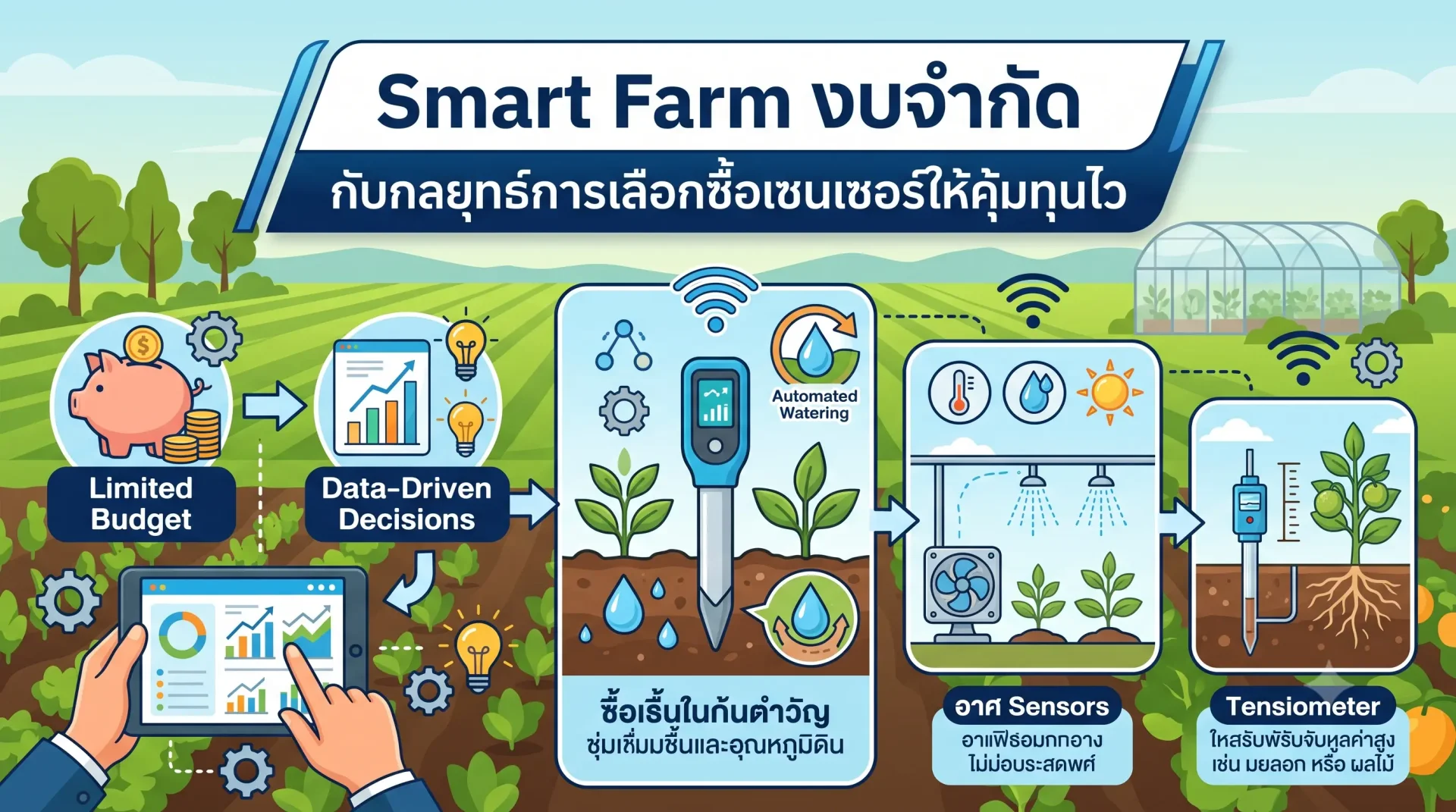
The term Smart Farm often conjures up images of multi-rotor spraying drones, massive automated greenhouses, and complex control rooms that feel financially out of reach for beginners.
However, true agricultural intelligence is not measured by the size of your initial investment—it is driven by "resource allocation precision." When operating under structural budget limits, the winning strategy is Lean Agriculture: prioritizing high-impact data points that optimize costs and increase yield from day one.
Here is the essential industrial-grade sensor integration sequence designed by E-Power Service to help you scale smartly.
Phase 1: Fixing the Root Cause – Why Soil Data Beats Weather Data First
A classic dilemma for smart farming newcomers is deciding whether to monitor the air or the soil first.
Physiologically, the soil always takes priority. Over 90% of a plant's water and nutrient uptake happens underground. Relying on visual checks to manage irrigation frequently leads to waterlogging or severe crop dehydration. Investing in a single high-quality soil moisture probe allows you to construct a closed-loop automatic irrigation system. By shutting down water pumps the exact moment the root zone reaches optimal saturation, you can instantly slash water and energy bills by 30% to 50%.
- Renke Soil Moisture Sensor : Built with an industrial 304 stainless steel probe and IP68 sealing for permanent burial. It utilizes TDR technology to deliver precise volumetric water content (VWC) regardless of soil salinity. Product Link: Renke Soil Moisture Sensor
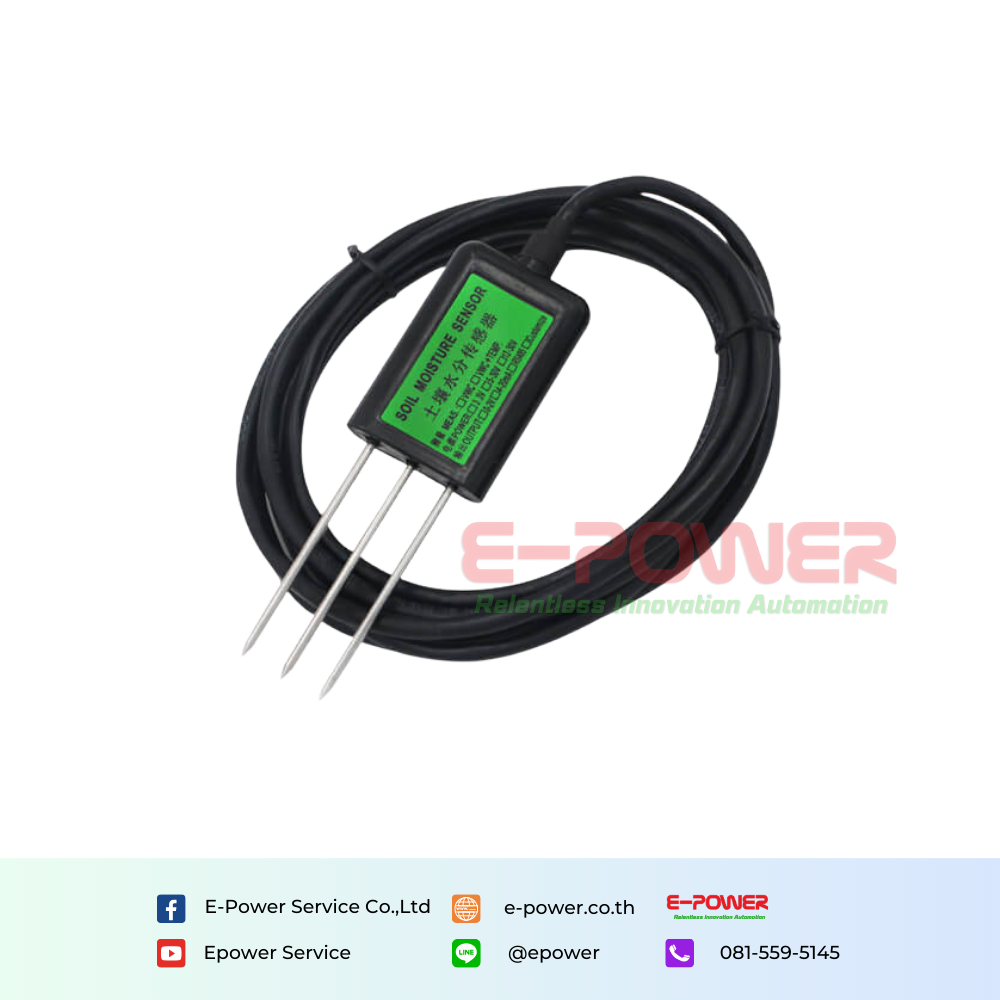
- Rika RK510-01 Soil Moisture Sensor : The gold standard for automated greenhouses and controlled environments, leveraging FDR principles to monitor real-time soil dielectric changes with exceptional stability. Product Link: Rika RK510-01 Soil Moisture Sensor
Phase 2: Microclimate Management – Optimizing the Canopy
Once your underground infrastructure is stable, focus shifts above ground. Crops thrive within narrow atmospheric windows (microclimates). Integrating air temperature, humidity, and light intensity data allows your controller to automatically deploy misting lines, exhaust fans, or shading screens.
- Budget-Saving Field Strategy: For expansive open-field farms, trenching and running long signal cables often costs more than the sensors themselves. Engineers recommend deploying the Renke Lora Soil Moisture Sensor . This wireless LoRaWAN telemetry solution transmits critical environmental data across miles, eliminating expensive cabling infrastructure. Product Link: Renke Lora Soil Moisture Sensor
Phase 3: Advanced Optimization – Reading Plant Stress via Water Tension
As your farm generates profits and transitions into high-value cash crops (such as durian, specialty melons, or medical herbs), standard moisture percentages may no longer suffice.
This is where the Soil Tensiometer becomes indispensable. By mimicking a plant's root structure, it measures soil water potential—the actual suction energy roots must exert to draw water. This metrics reveals plant water stress long before visual signs of wilting appear.
- Renke Soil Tensiometer (Model RS-TRZL-1-EX) : Featuring a transparent PVC body for simple inspection and industrial RS485 Modbus-RTU output for direct integration into PLC or automation systems. Product Link: Renke Soil Tensiometer
The Bottom Line for Smart Agriculture
Data is only valuable if it drives action. Avoid over-purchasing early on. Establish your foundation with a solid soil moisture sensor, stabilize your irrigation cycles, and expand as your business scales. For tailored industrial IoT agricultural network designs that optimize your budget, consult the automation team at E-Power Service.