What is an Illuminance Sensor and How Does It Optimize Energy in Buildings and Greenhouses?
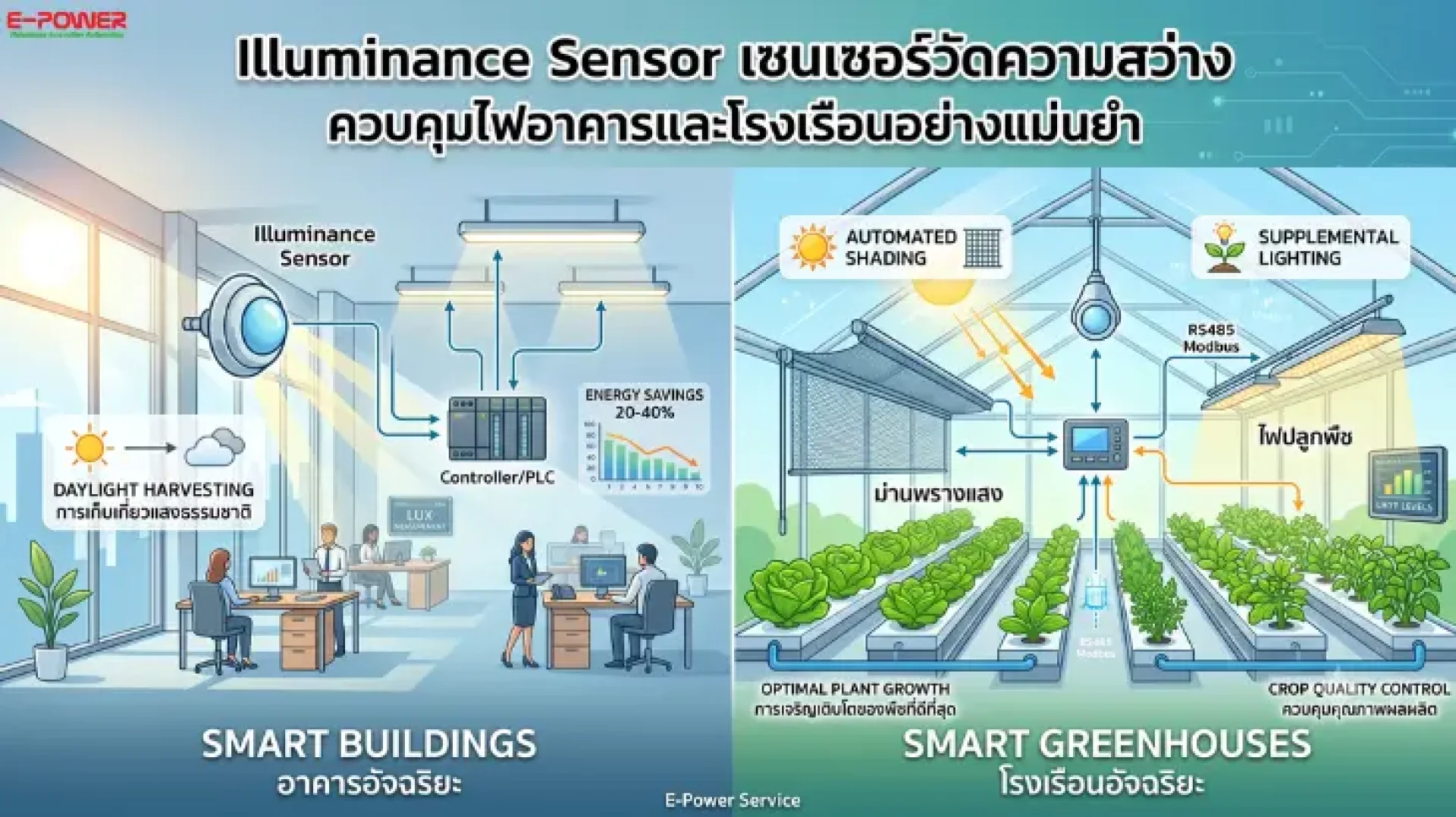
In an era where Energy Management and Precision Agriculture are driven by full-scale automation, "light" has emerged as a critical environmental variable that requires exact calibration. Whether establishing optimal visual conditions for industrial workers or accelerating crop development in controlled greenhouses, the foundational instrument driving this infrastructure is the Illuminance Sensor.
Understanding the operational physics and application mechanics of illuminance tracking is essential for system integrators and enterprises looking to engineer high-efficiency Smart Buildings and Smart Farm environments that achieve rapid return on investment (ROI).
What is an Illuminance Sensor? Understanding the Core Units
An Illuminance Sensor is an industrial electronic instrument designed to measure the intensity of incident light striking a specific surface area. The universal scientific unit of measurement for illuminance is the Lux ($lx$), which equates to lumens per square meter ($lm/m^2$).
Structurally, the sensor incorporates high-sensitivity Photodiodes calibrated to match either the human eye's visible spectrum profile or the Photosynthetically Active Radiation (PAR) spectrum required by plants. The device captures photons and translates this light energy into standard electrical signals (such as 4-20mA, 0-10V, or RS485 Modbus-RTU) for active transmission to a master PLC or controller framework.
Dual Industry Applications: Smart Buildings & Advanced Greenhouses
1. Building Lighting Automation Systems
In commercial offices, manufacturing facilities, and smart warehouses, over-illuminated spaces create substantial energy waste and induce worker eye strain. Integrating an Illuminance Sensor with intelligent Dimming profiles enables:
- Daylight Harvesting: Automating the dimming cycles of interior LED arrays when natural ambient sunlight is abundant, and scaling up artificial intensity during overcast conditions.
- Energy Optimization: Directly reducing facility lighting electricity consumption by 20% to 40%.
2. Smart Greenhouse Environmental Management
Within precision agricultural structures, light is the primary engine driving photosynthesis. Different plant typologies demand precise Daily Light Integrals (DLI). Integrating light sensors into the automation loop enables:
- Automated Shading & Supplemental Lighting: Automatically deploying shading nets during peak thermal periods to prevent leaf scorch, and engaging specialized grow lights during low-light seasonal drops.
- Crop Quality Stabilization: Ensuring uniform light distribution over the crop canopy, yielding standardized premium-grade harvests.
Industrial Light Sensor Configurations by E-Power Service
To deploy lighting automation systems or remote agricultural IoT nodes, E-Power Service Co., Ltd. offers industry-proven, high-stability instrumentation catalogs:
- Rika RK510-01 & Weather Instruments: Engineered for microclimate tracking and agricultural greenhouse integration, providing exceptional linearity and rapid response times. Product Link: Rika RK510-01 Sensor Series
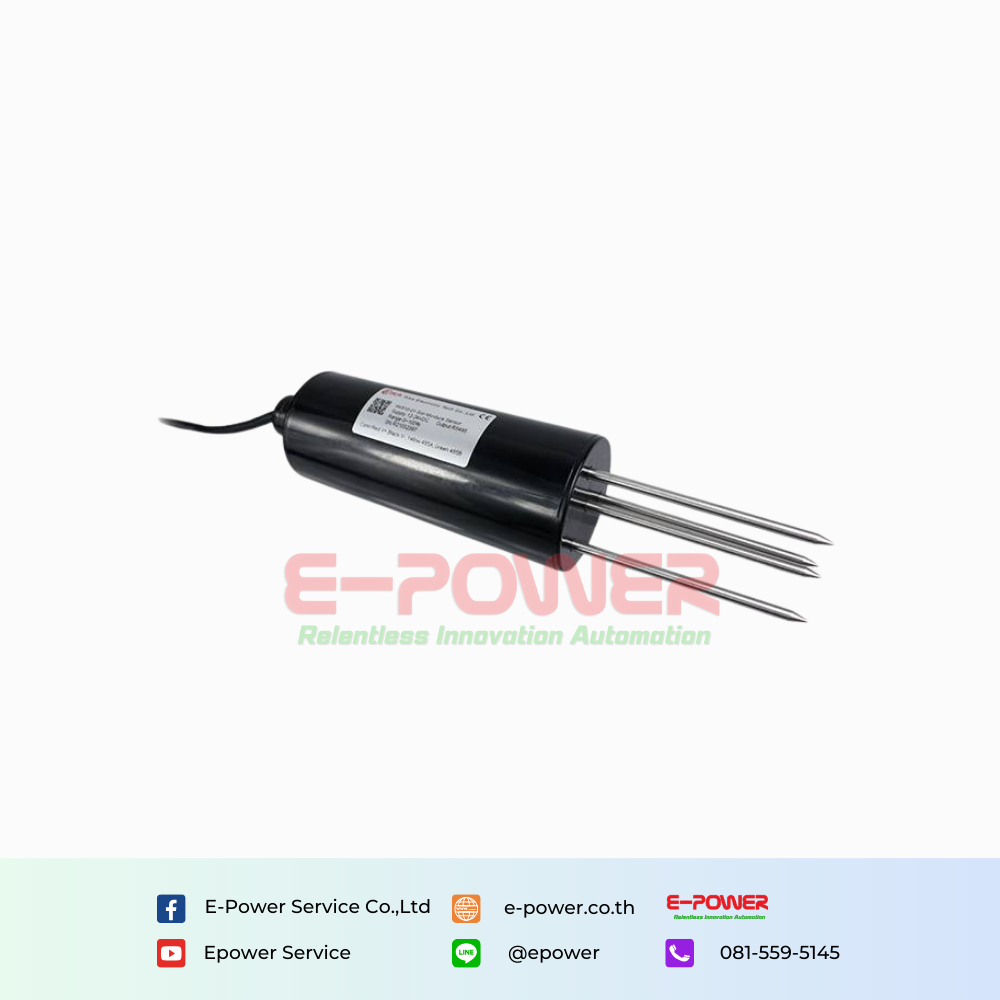
- Renke Industrial Transmitter Solutions: Robust lux sensors built to withstand high humidity and dust environments. These devices support RS485 Modbus-RTU network architecture, integrating seamlessly with main PLCs and an automatic irrigation system to unify your facility’s utilities. Product Link: Renke Industrial Sensor Solutions
Technical Conclusion
Deploying an Illuminance Sensor transforms passive illumination into an active, closed-loop control system. For custom control panel manufacturing, building management design, or smart agricultural automation consultation, contact the specialized engineering department at E-Power Service.