What is Smart Farm? Elevating Agriculture with IoT and Automation Systems
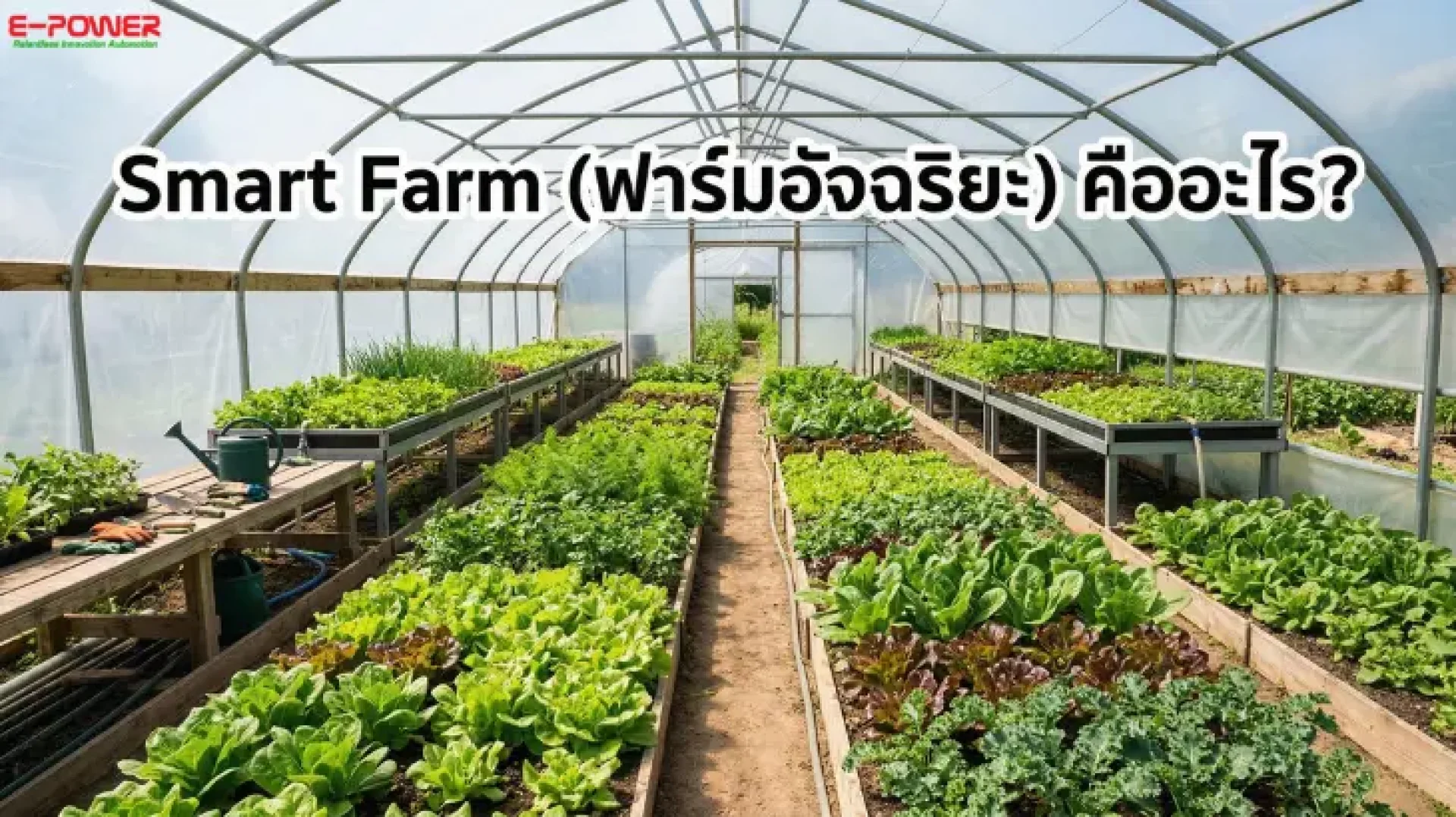
A Smart Farm is the critical survival kit that modern farmers and investors must prioritize. In an era where the agricultural industry faces volatile weather and continuously skyrocketing production costs, this technology is not just a trend or fancy buzzword. It is an innovation that will revolutionize traditional farming—moving from relying on guesswork about the weather to precise, verifiable management.
What is a Smart Farm ?
A Smart Farm is a modern agricultural approach that integrates Information and Communication Technology (ICT) with cutting-edge innovations such as the Internet of Things (IoT), IoT Sensors, and Automation control systems throughout every stage of cultivation.
The ultimate goal of a Smart Farm is not merely having a simple automatic watering timer. The true core is being Data-Driven. The system uses real-time environmental data to analyze and manage resources—including water, fertilizer, lighting, and temperature—for maximum efficiency. This reduces waste, lowers reliance on human labor for monitoring, and fills the gaps of risk from uncontrollable environmental factors.
3 Core Elements for a Complete Smart Farm
Creating a seamlessly operational Smart Farm system requires the coordinated function of three main components:
- Monitoring and Sensing System (Sensors): These act as the farm’s eyes and senses, retrieving 24/7 real-time environmental data. Indispensable devices include Soil Moisture, Temperature, and EC Sensors (to check soil nutrient levels), as well as light intensity and weather sensors.
- Processing and Control System (Controller & HMI): This is the brain that receives data from sensors for analysis and decision-making. For example, using an industrial touchscreen Haiwell HMI or PLC to set logic conditions such as “If soil moisture drops below 40%, command the water pump valve to open immediately, and automatically close when moisture reaches the set target.”
- Connectivity and Display System (IoT Platform): This acts as the central nervous system connecting everything to the internet. An example is using Ecloud IoT (E-power IoT Platform), which allows farmers to monitor data, view historical statistics via Google Sheets, or even receive instant alerts via the Line and Telegram applications from anywhere in the world.
Why Should Farmers and Investors Switch to Smart Farm?
- Maximize Yield and Quality: Crops receive water and nutrients in the exact amount at the right time, resulting in consistent product size, premium grade, and better prices.
- Concrete Long-term Cost Reduction: Precision watering and fertilization based on real data significantly reduces resource waste and cuts labor costs for patrolling or manual watering.
- Decisive Risk Management: With instant alert systems, if an emergency occurs—such as temperatures in the greenhouse becoming dangerously high or a water pump failing—the system instantly sends a message to your mobile phone, allowing you to fix the problem before damage, potentially worth hundreds of thousands or millions, occurs.
Conclusion
A Smart Farm (Intelligent Farm) is a worthy and more accessible investment than ever before. With the potential of the E-power IoT Platform working in tandem with Haiwell HMI devices and advanced IoT Sensor technology, traditional farms can be transformed into full-scale Automation systems managed precisely via smartphone. Elevating to Smart Agriculture today is the key to increasing yield, reducing resource costs, and generating sustainable profit.