Top 8 Soil pH Testers The Perfect Smart Farm Companions for Gardeners and Farmers
A Soil pH Tester is an essential tool chosen by expert modern gardeners and farmers. Today, simply having a passion for planting is not enough. You must also know how to utilize technology and industrial instruments to analyze and optimize your soil. This ranges from using a Soil NPK Sensor to detect Nitrogen, Phosphorus, and Potassium, to utilizing a Soil pH Tester for precise acidity and alkalinity checks.
Knowing the precise pH value allows you to make the right decisions about which crops to plant and how to amend your soil. This is especially crucial in Smart Farm systems, where every data variable significantly impacts the yield. Furthermore, these parameters can be integrated with an Automation system via a PLC to command a Smart Fertilizer Machine and automated irrigation systems precisely. This reduces manual labor and solves the problem of chemical fertilizer residue.
Why Do You Need a Soil pH Tester?
Simply insert the probe into the soil, and the device will instantly display the current pH value. This data helps you select suitable plants or use fertilizers to adjust the soil into an ideal growing environment. A thorough understanding of soil pH ensures your plants will grow vigorously. By advancing your setup with Industrial Sensors to send data into an automated system, you can maximize your farming efficiency.
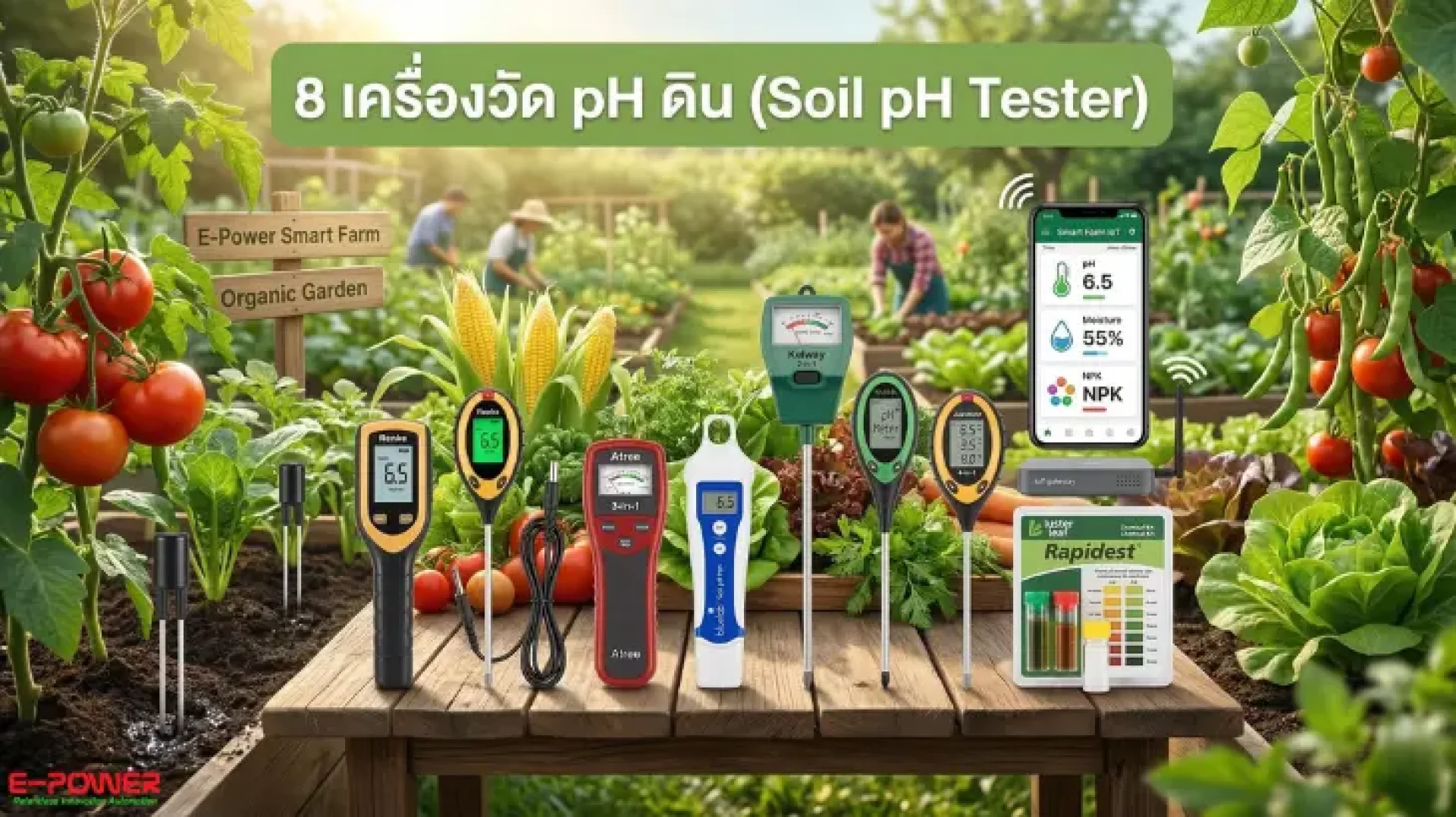
Top 8 Best Soil pH Testers
To help perfect your garden or farm, we have compiled the 8 most popular devices along with their key features for you to choose from:
1. Renke Soil pH Tester (Portable Industrial Grade)
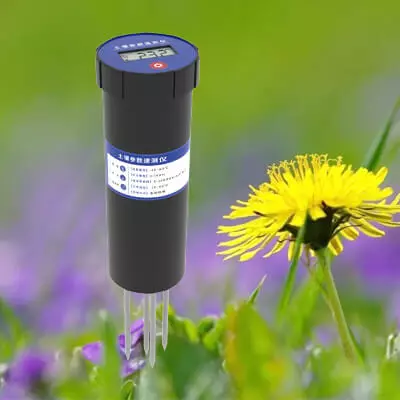
Highlights: Fast response, high accuracy, 0-14 measurement range.
Details: Uses replaceable batteries. Just press the button and insert the stainless steel probe into the soil for instant readings. The backlit screen provides clear visibility. This model stands out for its industrial-grade durability, making it ideal for farm soil management requiring high precision.
2. Renke Handheld Soil pH Meter (Professional with Data Analysis)
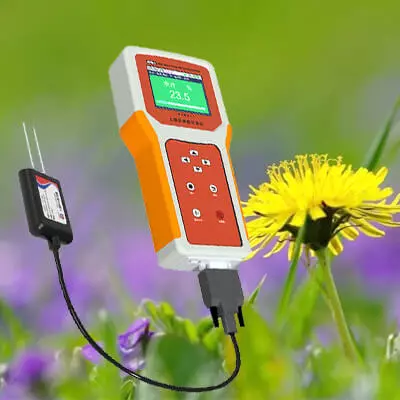
Highlights: Multi-functional, high precision, data storage and transfer.
Details: Features a sensor and a portable analyzer. It can store up to 1 million data points and export them to a computer for graph analysis. The probe has an IP68 waterproof rating and can be connected alongside Moisture, Temperature, and NPK sensors in a single unit—perfect for IoT-style data logging.
3. Atree Soil pH Meter (3-in-1 General Use)
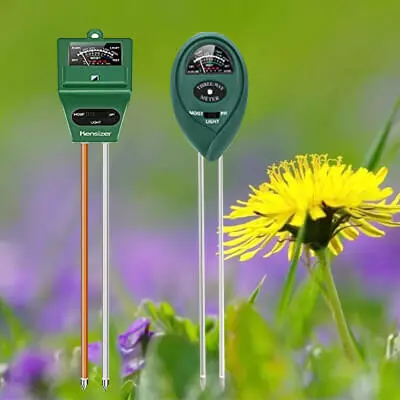
Highlights: Measures pH, moisture, and sunlight in one device.
Details: No batteries required. Simply toggle the switch to the desired mode and insert the probe into the soil. It is a highly popular model for beginners gardening in pots or backyard vegetable plots.
4. Bluelab Soil pH Pen (Calibratable Pen Model)
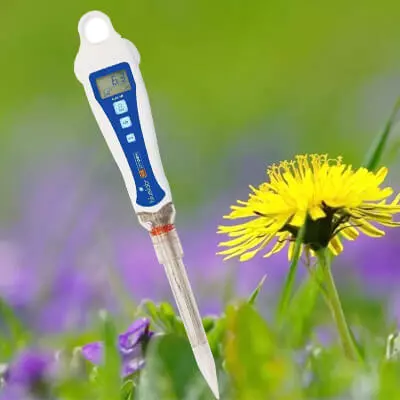
Highlights: Temperature compensation, suitable for both soil and hydroponic systems.
Details: Features a lab-quality glass probe providing exceptional accuracy. It includes an alert system for when calibration is needed. Ideal for farms demanding absolute data precision.
5. Kelway 2 in 1 Soil Tester (Durable Analog Model)
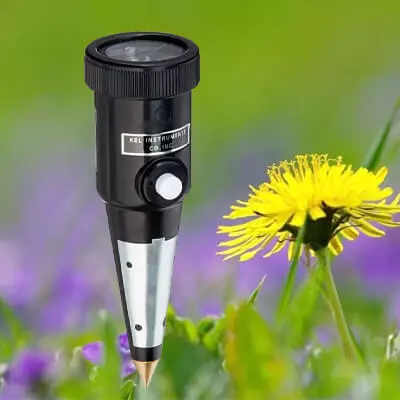
Highlights: High accuracy, no power required.
Details: Built for rugged use without chemicals or electricity. The top-mounted dial makes it easy to read. Insert it into moist soil and get results in just 3 minutes.
6. Hanna Soil pH Meter (Replaceable Probe Model)
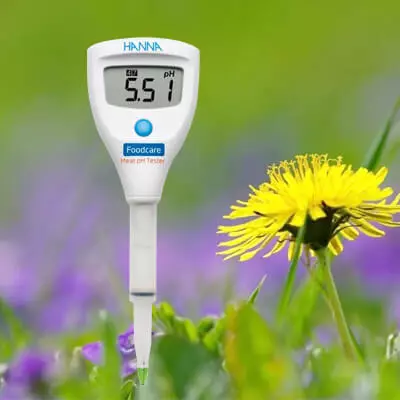
Highlights: Clear LCD screen, easy calibration.
Details: Unique "long-neck" design. The battery lasts up to 3,000 hours, and you can easily replace the electrode yourself when it degrades, significantly extending the tool's lifespan.
7. Justmetr Soil Meter (Affordable 4-in-1 Model)
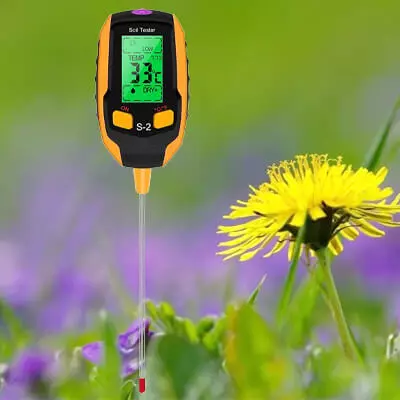
Highlights: Measures light, soil temperature, moisture, and pH.
Details: Easy to use; simply insert 3-5 inches into the soil. Great for preliminary soil condition checks for indoor and outdoor decorative plants.
8. Luster Leaf Rapidest (Chemical Reagent Type)
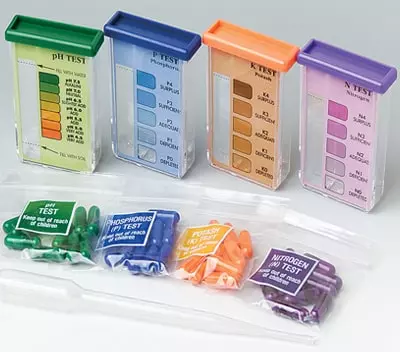
Highlights: Lab-comparable results, educational chemical reaction process.
Details: Involves mixing soil with water and adding chemical reagents to compare colors. It gives a clear overview of NPK and pH levels in the soil.
How to Choose the Best Soil pH Tester
- Precision: For commercial farming, choose a highly accurate model capable of withstanding harsh outdoor environments.
- Portability: For field surveys, the device should be compact and easy to read on the go.
- IoT Integration (Smart Farm): For modern farmers wanting to monitor data via mobile or control automated irrigation, consider upgrading to a Soil Sensor supporting RS485 / Modbus protocols to connect with an IoT Gateway or PLC.
- Durability: Check waterproof ratings (e.g., IP68) and probe materials to ensure long-term usage.
How to Adjust Soil pH (Raising & Lowering)
- If the soil is acidic (pH < 7): Add slaked lime or plant ash to neutralize the acid and increase nutrients.
- If the soil is alkaline (pH > 7): Use acidic fertilizers like ammonium sulfate, or use crop stubble plowing techniques to increase organic matter, which gradually alters the soil structure.