Soil Moisture Sensors for Automatic Irrigation Systems
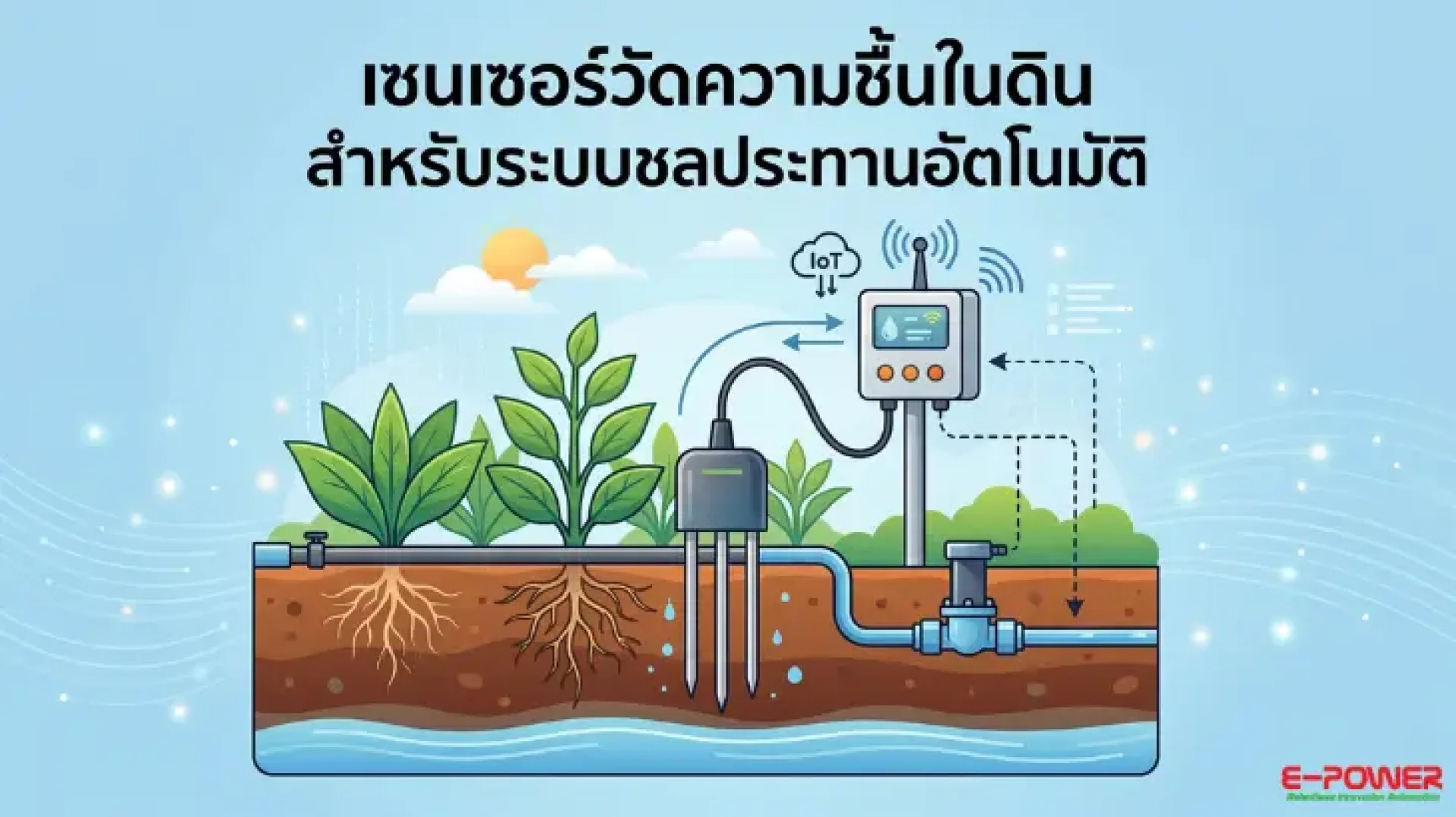
Soil moisture sensors are the core of modern automatic irrigation systems, enabling precise water control in agricultural areas and minimizing unnecessary water loss. Compared to traditional surface irrigation or standard sprinklers, which often waste water and have low efficiency, modern micro-irrigation technologies—such as drip irrigation, micro-sprinklers, or infiltration irrigation—when combined with sensor devices, significantly enhance efficiency and conserve water resources.
Popular Soil Moisture Measurement Methods Today
1. Neutron Attenuation Method
- Principle: Uses neutron reflection to measure the hydrogen content in water.
- Pros/Cons: Provides fast and accurate readings. However, a major drawback is the severe risk of radiation leakage, posing hazards to human health and the environment. It is also difficult to measure topsoil moisture. Currently, its use is strictly restricted.
2. Dielectric/Capacitive Soil Moisture Sensor
- Principle: Utilizes the electrical properties (dielectric constant) of the soil. Since water has a much higher dielectric constant than soil, an increase in moisture leads to a corresponding increase in electrical capacitance.
- Pros: High accuracy, fast response, wide measurement range, and highly suitable for online monitoring in automated systems.
3. Tensiometer Type
- Principle: Uses a porous ceramic tip connected to a vacuum gauge to measure soil water suction.
- Pros/Cons: Simple structure, but accuracy heavily depends on soil quality. It also suffers from data delay (hysteresis) issues, making it unpopular in modern digital systems.
Recommended Equipment: RIKA Soil Moisture Sensors
If you are looking for a dielectric-based sensor that perfectly meets the demands of automatic irrigation systems, we recommend the RIKA Sensor . It is an industrial-grade device widely popular in Smart Farm systems:
- High Durability: Features a corrosion-resistant stainless steel probe that can be buried in the soil for stable, long-term measurement.
- Comprehensive Functions: Capable of measuring moisture, soil temperature, and electrical conductivity (EC/fertilizer levels) all in a single unit.
- Easy System Integration: Supports standard signal transmission (e.g., RS485 Modbus), allowing for seamless integration with PLCs, control cabinets, or wireless nodes (LoRa/4G).
How Automatic Irrigation Systems Work
A sensor with a 3-prong stainless steel probe is buried at the plant's root level to transmit "high moisture" or "low moisture" signals to the Main Controller:
- If moisture is too high: The system stops irrigation.
- If moisture is too low: The system automatically opens the solenoid valve via a relay to start watering.
System Components
- Monitoring Center: Servers and software for managing water-saving irrigation.
- Communication Network: GPRS, 4G, or LoRa (wireless).
- Valve Control System: Comprises valve controllers and solenoid valves operating via a wireless network, eliminating the need for field cabling.
- Moisture Monitoring System: Collects data via soil temperature and moisture sensors.
- Pump Control System: Monitors energy consumption and the operational status of deep-well water pumps.
Advantages of Automatic Irrigation Systems
- Intelligent: 100% automated operation; automatically shuts off when raining and turns on when sunny.
- Precise: Zones irrigation based on plant types, such as grass, shrubs, or moss.
- Labor-Saving: Eliminates manual watering, freeing up time to manage other details of the garden or farm.
- Quality-Boosting: Proper water and fertilizer application accelerates plant growth, while the water spray washes dust off leaves, creating a beautiful landscape.
Conclusion
Transitioning from weather-dependent, guesswork-based farming to IoT- and sensor-driven automatic irrigation systems is not just a trend; it is the only viable path to high-efficiency Precision Agriculture to combat water crises and reduce long-term costs. If you are looking for industrial equipment or automation control components to upgrade your Smart Farm, discover our standard-compliant devices at www.epower.co.th.